Overview of Indie Scene in NYC
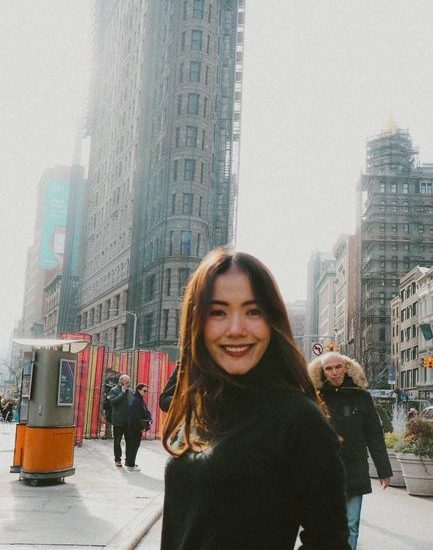
The indie scene in NYC thrives on underground venues, record shops, and emerging bands, offering a vibrant alternative to mainstream culture․ From historic clubs to pop‑up restaurants, the city’s indie pulse is felt in every borough, inviting curious travelers to explore․ The scene blends art, music․ now!
Historical Roots and Evolution
In the 1970s, New York’s indie scene began in the basement of a Brooklyn loft, where punk and post‑punk bands like Television and Talking Heads challenged commercial norms․ The DIY ethic spread through record stores such as Rough Trade and local radio stations, fostering a community that valued authenticity over polish․ By the 1980s, the East Village became a crucible for art, with venues like the Knitting Factory and the 9:30 Club hosting acts that blended noise and funk․ The 1990s saw indie labels like Merge and Matador establishing a national presence, while the city’s indie clubs—CBGB, Max’s Kansas City, and the now‑closed The Bitter End—continued to nurture underground talent․ In the early 2000s, the rise of distributionandmedia platforms such as MySpace and later Bandcamp allowed local bands to reach global audiences without major label backing․ The indie scene diversified, incorporating folk, electronic, and hip‑hop influences, and venues like Rockwood Music Hall and Mercury Lounge expanded their line‑ups to reflect this eclecticism․ Today, the NYC indie ecosystem thrives on a network of record shops, pop‑up restaurants, and community‑driven festivals, all of which trace their lineage back to the rebellious spirit of the 1970s punk movement․ The city remains a fertile ground for emerging artists, continually redefining what “indie” means in a rapidly changing cultural landscape․ From cassette shows to livestreamed rooftop gigs, the scene’s DIY ethos continues to inspire generations of musicians and fans alike!!
Iconic Indie Venues in NYC
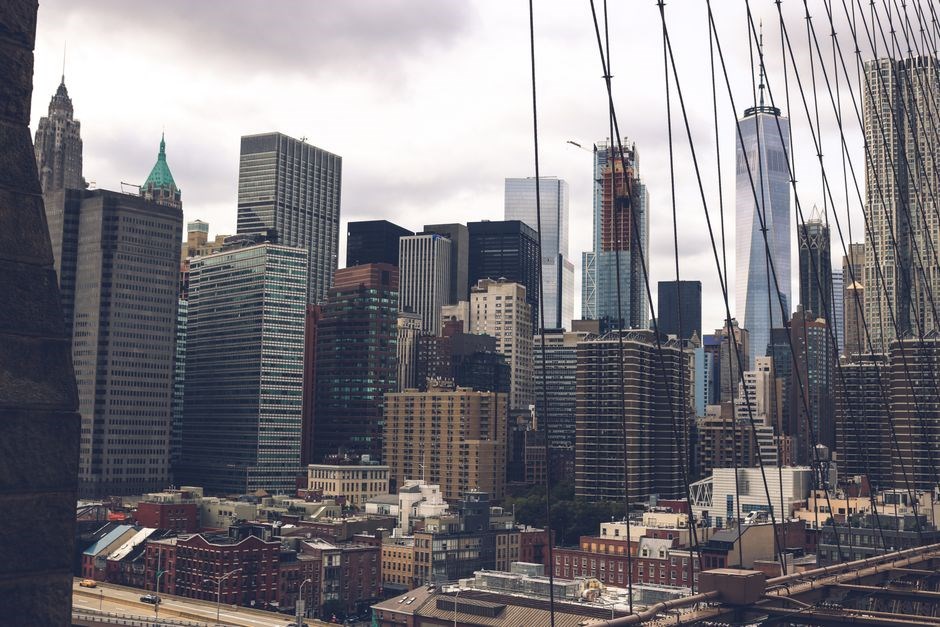
Rockwood Music Hall, Mercury Lounge, and the now‑closed 9:30 Club anchor NYC’s indie legacy․ These venues host emerging artists, fostering community and authenticity․ Their intimate stages and eclectic line‑ups keep the city’s indie pulse alive․
Their legacy endures, inspiring acts keeping indie spirit alive․
Rockwood Music Hall
Located at 129 MacDougal Street in Greenwich Village, Rockwood Music Hall opened in 2004 and quickly became a staple of NYC’s indie scene․ The venue’s two‑floor layout seats about 500 people, offering an intimate yet energetic atmosphere that has welcomed both rising artists and established names․
Rockwood’s programming blends indie rock, folk, hip‑hop, and experimental electronic, creating a diverse lineup that appeals to a wide audience․ Notable early performances include The National, Arcade Fire, and The Shins, while recent acts such as Phoebe Bridgers, Haim, and Tyler, The Creator have graced its stage, solidifying the venue’s reputation as a launchpad for breakthrough talent․
Beyond the music, Rockwood cultivates a vibrant community through open‑mic nights, poetry slams, and themed listening parties that invite locals to share their creative voices․ The venue’s ADA‑compliant design and a strong emphasis on inclusive programming ensure that all visitors can enjoy the experience․ Partnerships with local food vendors offer artisanal snacks and craft cocktails, turning each show into a holistic cultural event․ Rockwood’s impact extends into the broader indie ecosystem, serving as a launchpad for emerging talent and a gathering place for fans who value authenticity over commercial polish․ Its strategic location in Greenwich Village, a historically artistic enclave, provides a backdrop that echoes the city’s evolving musical narrative․ As the indie scene continues to grow, Rockwood remains a steadfast beacon, preserving the intimacy and experimentation that define New York’s musical identity․
Record Stores to Explore
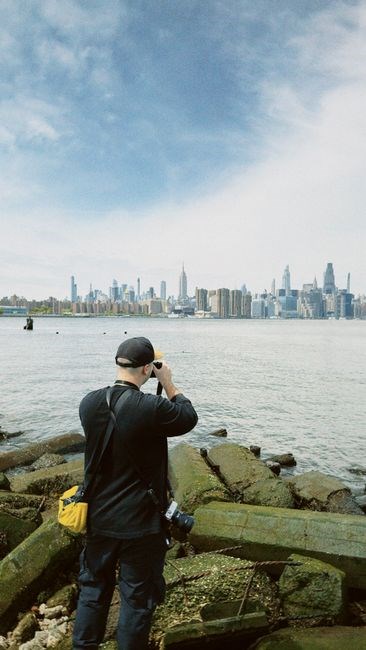
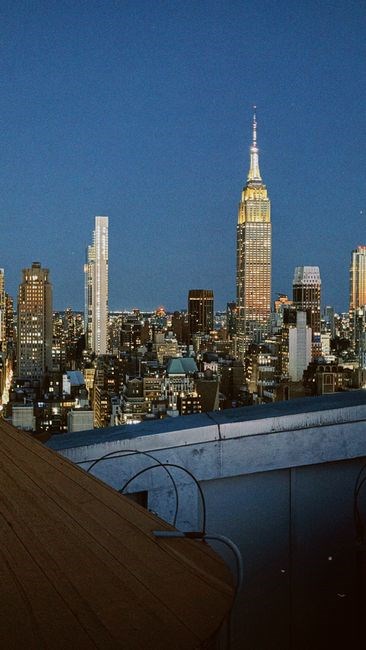
Rough Trade NYC, a flagship of indie vinyl culture, opened in 2012 on 4th Avenue․ Its curated selection spans indie, folk, and avant‑garde, with frequent in‑store performances and community events․ The shop’s vintage décor and knowledgeable staff make it a must‑visit for collectors and newcomers alike․ A hub․
Rough Trade NYC
Opened in 2012 on 4th Avenue, Rough Trade NYC has become a cornerstone of the city’s indie music ecosystem․ The store’s design blends industrial chic with a warm, welcoming atmosphere, featuring exposed brick walls, reclaimed wood shelving, and an expansive vinyl collection that spans indie, folk, experimental, and world music․ With over 30,000 titles, the shop offers a curated mix of new releases, rare pressings, and classic albums that appeal to both seasoned collectors and casual listeners․ The staff, many of whom are avid musicians and DJs, provide personalized recommendations, host listening parties, and collaborate with local artists for in‑store performances․ Rough Trade NYC also runs a robust community program, including artist talks, record‑store‑only releases, and free workshops on vinyl care and DJing․ Its rooftop bar, a popular spot for after‑hours crowds, offers craft cocktails and a rotating selection of indie vinyl‑inspired playlists․ The store’s commitment to sustainability is evident in its donation of unsold inventory to local charities and its use of recycled materials in packaging․ Rough Trade NYC’s influence extends beyond retail; it’s a cultural hub that supports emerging artists, promotes indie festivals, and fosters a sense of community among New Yorkers who share a passion for music discovery․ Beyond retail, Rough Trade NYC curates a weekly vinyl club, hosts live DJ sets, and collaborates with local indie labels to release exclusive limited editions reinforcing its role as a cultural nexus for music lovers and the vibe tonight!!!
Emerging Indie Bands from NYC
New York’s indie scene is alive with fresh talent․ Artists like The National, though established, continue to inspire newcomers․ Emerging acts such as The 1975, The Joy Formidable, and local indie pop trio The Echoes bring fresh sounds․ Their DIY ethic and vibrant shows keep the city’s music pulse beating!!!
The National (NYC Roots)
Though the band’s most famous albums were recorded in the Midwest, The National’s early days were steeped in the New York indie scene․ In the early 2000s, front‑man Aaron Dessner and drummer Bryan Devendorf played raw, introspective sets in Brooklyn’s basement clubs, attracting a loyal local following․ Their debut EP, Me and the Big Big World, was self‑released in 2001, and the group quickly became a staple of the city’s underground circuit․ Their 2003 release, Alligator, was recorded in a converted warehouse in Williamsburg, a location that became synonymous with the band’s gritty, analog aesthetic․ The album’s success cemented The National’s reputation as a key player in the indie rock movement, and the band’s subsequent tours frequently began in venues such as the Music Hall of Williamsburg and Brooklyn Steel․ Over the years, the band’s sound evolved, incorporating lush string arrangements and complex lyrical themes, yet their New York roots remained evident in their emphasis on storytelling and atmospheric production․ The National’s legacy in NYC is a testament to the city’s ability to incubate creative talent, proving that even as the music industry evolves, the heart of indie culture remains firmly planted in New York City․
In addition to their touring presence, The National has contributed to the local music ecosystem by mentoring younger artists․ They frequently host workshops at the Brooklyn Academy of Music, sharing insights on songwriting and production․ Their participation in community events, such as the annual NYC Indie Music Festival, showcases their commitment to fostering new talent․ The band’s presence in the city’s cultural landscape continues to inspire musicians across genres, reinforcing New York’s status as a crucible for indie innovation․ Their influence extends to the next generation, with many local acts citing them as a major inspiration․
Fans often note that the city’s eclectic mix of neighborhoods—each with its own music scene—has shaped The National’s sonic palette․ From the gritty streets of Bushwick to the artistic enclaves of Lower East Side, the band’s experiences in these diverse locales inform their lyrical narratives and musical arrangements, creating a sound that feels both intimately personal and universally resonant․ Their legacy endures․
Indie Music Festivals in NYC
NYC hosts SXSW NYC, a spring indie festival spotlighting local bands, demos, art, and DIY panels․ Artists play in Brooklyn venues, drawing thousands of fans․ The event offers free and ticketed stages, merch stalls, and community workshops․ Indie acts cover rock and folk․
SXSW NYC
Spring’s indie heartbeat, SXSW NYC, transforms Brooklyn’s warehouses into a pulsating showcase of emerging talent․ The festival, a condensed version of its Texas counterpart, offers a 48‑hour marathon of music, film, and interactive art․ Artists perform on multiple stages—The Brooklyn Bowl, Brooklyn Steel, and the historic Music Hall of Williamsburg—each venue curating a unique sonic experience from lo‑fi indie rock to experimental electronic․ Attendees can also explore pop‑up galleries, indie fashion stalls, and DIY workshops that celebrate the city’s creative DIY ethos․ The event attracts over 20,000 visitors, including industry scouts, journalists, and music lovers, creating a networking hub for local bands seeking exposure․ SXSW NYC’s lineup features both seasoned acts and fresh faces, with surprise collaborations and live remix sessions that blur genre boundaries․ In addition to concerts, the festival hosts panel discussions on music production, distribution, and the future of independent labels․ Food trucks offering artisanal bites, craft beer taps, and vegan options line the streets, ensuring the festival is as much a culinary adventure as a musical one․ The festival’s inclusive atmosphere encourages community building, with free ticketed “Community Stage” performances that invite local residents to join the celebration․ Overall, SXSW NYC is a microcosm of the city’s indie spirit, offering a concentrated dose of creativity, collaboration, and cultural exchange that resonates long after the final encore․
Tickets range from $30 for single‑day passes to $120 for all‑access packages, with early‑bird discounts available through the official website․ The festival’s schedule is released a week in advance, featuring curated “Theme Days” such as “Indie Pop Day” and “Experimental Soundscapes․” Each day includes a mix of live performances, film screenings, and interactive installations․ The festival also partners with local universities to host student‑run panels, fostering mentorship between emerging artists and seasoned professionals․ For those unable to attend in person, SXSW NYC offers a live‑stream option, allowing global audiences to experience the event’s energy from anywhere․
Whether you’re a seasoned indie veteran or a curious newcomer, SXSW NYC invites you to immerse yourself in the city’s vibrant creative pulse․ The festival also showcases emerging visual artists, offering a platform for multimedia performances that blend sound, light, and narrative․ Join the conversation and discover next wave of indie innovation Today․ Now
Indie-Friendly Food & Drink Spots
From vegan pop‑ups to craft‑brew bars, NYC’s indie culinary scene mirrors its music vibe—quirky, experimental, community‑focused․ Check out Smashburger for sliders, Brooklyn Brewery for ales, and Ramen & Co․ for fusion bowls!!․
Indie Pop‑up Restaurants
Indie pop‑up restaurants in New York City embody the city’s restless creativity, popping up in abandoned warehouses, lofts, and even on temporary street corners․ These culinary experiments often run for a limited time, offering a rotating menu that reflects local producers, seasonal ingredients, and avant‑garde techniques․ One standout is Hunger & Harvest, a pop‑up that transforms a vacant storefront in Bushwick into a farm‑to‑table kitchen, sourcing produce from nearby community gardens and pairing dishes with craft cocktails from a mobile bar․ Another is Street Sizzle, which sets up a temporary grill in the East Village, serving up globally inspired tacos and ramen‑bowls that change weekly based on the chef’s travels․ The pop‑up scene also includes Flavor Lab, a pop‑up that operates out of a converted shipping container in Williamsburg, where chefs experiment with molecular gastronomy and collaborate with local artists to create edible installations․ For those who love to explore, the Pop‑Up Passport app lists current locations, opening hours, and reservation options, ensuring you never miss a culinary adventure․ Whether you’re a foodie looking for the next trend or a traveler wanting a taste of the city’s underground culture, indie pop‑up restaurants offer a unique, ever‑changing dining experience that captures the spirit of New York’s indie scene․ These pop‑ups host acoustic sets community discussions turning each visit into a memorable, multi‑sensory journey through NYC’s for all everywhere indie heart․
Tips for Indie Travelers in NYC
Explore off‑beat neighborhoods, use local transit passes, attend free shows, visit indie record shops, and sample pop‑up food․ Check community calendars, bring a reusable bag, and stay flexible—indie culture thrives on spontaneity and hidden gems․ Book early, follow local blogs, and note hidden shows․
Budgeting for Indie Experiences
Budgeting for indie adventures in New York City requires a mix of savvy planning and flexible spending․ Start by mapping out the core activities you want—live shows, record shop visits, pop‑up dining, and art gallery strolls․ Allocate a base budget for transportation: a MetroCard for unlimited subway and bus rides can save you up to $30 a month․ For venue tickets, many indie clubs offer discounted rates on weekday nights or early‑bird specials; keep an eye on their social media pages for flash deals․ When it comes to food, the city’s indie‑pop‑up restaurants often charge a modest cover fee, but many also offer “pay what you can” options during happy hour․ Shopping for vinyl and merch can be surprisingly affordable if you hunt at second‑hand stores or attend record fairs where artists sell directly․ Set aside a small emergency fund—about 10% of your total budget—for spontaneous gigs or last‑minute travel changes․ Finally, track your expenses in a simple spreadsheet or budgeting app; this will help you stay on track and adjust as you discover new hidden gems along the way․ Remember to keep receipts and scan them into your budgeting app; this not only helps with tax deductions if you’re a freelancer but also gives you a clear picture of where your money goes․ Also, consider buying a city pass that bundles entry to multiple venues and museums—many indie venues partner with these passes for discounted admission․ Lastly, stay connected with local indie communities via newsletters and Discord servers; they often share insider tips and last‑minute gig alerts that can save you both time and cash․ Enjoy!