
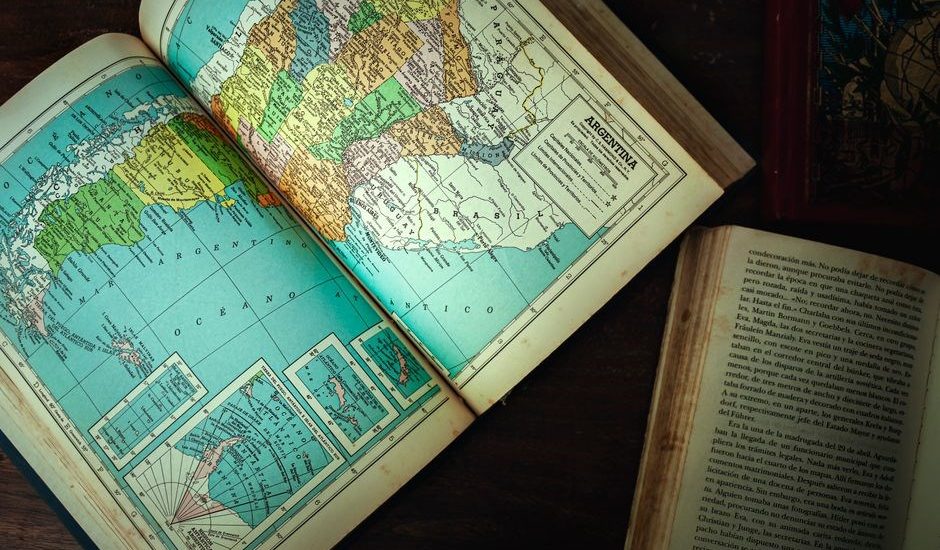
Unit 1 Overview
Unit 1 introduces the foundations of ancient societies, focusing on geography, early civilizations, governance, culture, and trade. It outlines key themes, timelines, and the interconnectedness of human development across regions.
Examine patterns, compare societies, assess environment’s role today.!!
Unit 1 centers on the forces that shaped early human societies. The first theme is the interaction between environment and culture: how rivers, mountains, and climate dictated settlement patterns, agricultural practices, and resource availability. Students examine how the fertile crescent, Nile flood cycles, and Mesopotamian irrigation systems created the conditions for complex societies.
The second theme explores state formation and governance. From small city‑states to expansive empires, the evolution of political structures, legal codes, and administrative institutions is traced. The concept of the ruler’s divine right, codification of laws (e.g., Hammurabi’s Code), and bureaucratic organization illustrate how authority was consolidated and maintained.
Religion, language, and writing systems form the third core concept. Comparative analysis of polytheistic pantheons, monotheistic shifts, and the development of cuneiform, hieroglyphics, and alphabetic scripts reveal the role of ideology and communication in unifying peoples and preserving knowledge.
The fourth theme focuses on trade and cultural diffusion. Early routes, such as the Silk Road and maritime lanes, facilitated the exchange of goods, ideas, and technologies. Students assess how trade networks contributed to economic prosperity, cultural syncretism, and the spread of innovations like metallurgy and irrigation techniques. This network spread artistic styles, religious practices and scientific knowledge across regions.
Timeline of Major Events
c. 4000 BCE – Agricultural societies emerge in the Fertile Crescent, sparking settled life. c. 3100 BCE – Upper and Lower Egypt unify under Narmer, founding the First Dynasty. c. 3000 BCE – Cuneiform script develops in Sumer, enabling record‑keeping and law codification. c. 2500 BCE – Great Pyramid of Giza is constructed, reflecting advanced engineering and state control. c. 2000 BCE – Akkadian Empire rises under Sargon, demonstrating early imperial expansion. c. 1800 BCE – Code of Hammurabi is established, one of the earliest written legal systems. c. 1500 BCE – Old Kingdom in Egypt, characterized by centralized bureaucracy, is established. c. 1200 BCE – Silk Road initiates, connecting East Asia with the Mediterranean world. c. 800 BCE – Greek city‑states form, fostering democratic experimentation. c. 600 BCE – Persian Empire under Cyrus the Great unifies diverse peoples. c. 500 BCE – Phoenician alphabet spreads, facilitating trade and communication across the Mediterranean. c. 400 BCE – Mauryan Empire in India showcases administrative sophistication. c. 300 BCE – Qin Dynasty in China unifies legal and administrative systems. c. 200 BCE – Roman Republic’s height influences law, engineering, and governance. c. 100 BCE – Decline of Hellenistic kingdoms leads to Roman dominance in the eastern Mediterranean. c. 1 CE – Peak of Roman Empire, with extensive road networks and cultural diffusion. c. 300 CE – Collapse of Western Roman Empire marks transition to medieval polities. c. 500 CE – Gupta Empire in India noted for scientific and cultural achievements. c. 600 CE – Tang Dynasty in China enters a golden age of art and cosmopolitanism. c. 800 CE – Carolingian Empire under Charlemagne promotes cultural revival. c. 1000 CE – Islamic Caliphate expands, spreading science, philosophy, and trade. c. 1200 CE – Crusades begin, impacting trade routes and cultural exchanges between East and West. c. 1400 CE – Mongol Empire’s height facilitates unprecedented connectivity across Eurasia; c. 1500 CE – European Age of Exploration initiates transatlantic voyages and global trade. c. 1600 CE – Colonial empires reshape world economies and cultures. c. 1700 CE – Enlightenment ideas spread, influencing political thought and societal reforms. c. 1800 CE – Industrial Revolution begins, transforming production, technology, and global relations. c. 1900 CE – World Wars reshape international order and accelerate technological progress. c. 2000 CE – Globalization intensifies, connecting economies, cultures, and information worldwide.

Geographic Foundations
Geography shapes early societies, influencing settlement patterns, resource access, and cultural evolution. Mountains, rivers, and coastlines create natural boundaries, while climate determines agriculture and trade routes, guiding human adaptation and societal development. Knowledge shapes societies Growth.
Earth’s Physical Features and Their Influence
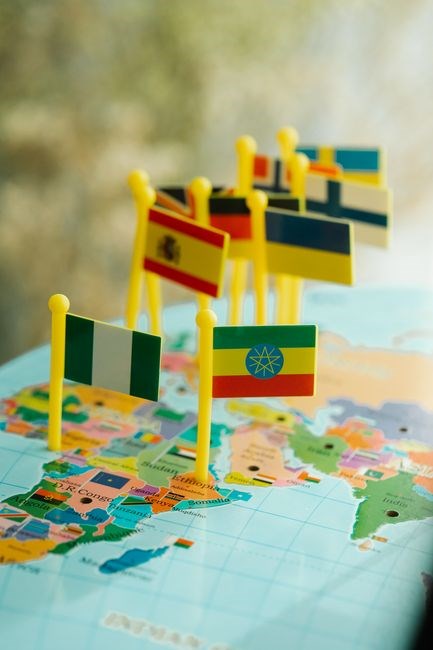
Earth’s topography, climate, and natural resources have guided human settlement, agriculture, and cultural exchange. Mountain ranges such as the Himalayas and Andes act as climatic barriers, creating rain shadows that influence rainfall patterns and crop viability. River valleys—Nile, Tigris‑Euphrates, Indus, and Yangtze—provide fertile alluvium, enabling early irrigation and dense populations. Coastal plains and deltas offer abundant fishing, salt production, and natural harbors, fostering maritime trade. Plate tectonics generate earthquakes and volcanic activity, shaping landscapes and prompting adaptation strategies. Glacial retreat and desertification alter land use, while fertile plains support large agrarian societies. Natural resources—timber, metals, salt, and stone—dictate technological advancement and trade routes. The distribution of these resources creates economic hubs, such as Mesopotamia’s clay, Egypt’s limestone, and the Indus’s copper. Moreover, geographic features influence cultural boundaries; mountain passes become trade corridors, while deserts serve as natural defense lines. Climate oscillations, such as the Medieval Warm Period or the Little Ice Age, shift agricultural calendars, prompting migrations and societal stress. The interplay of physical geography and human ingenuity has repeatedly reshaped civilizations, illustrating the profound, enduring impact of Earth’s physical features on cultural development and historical trajectories.
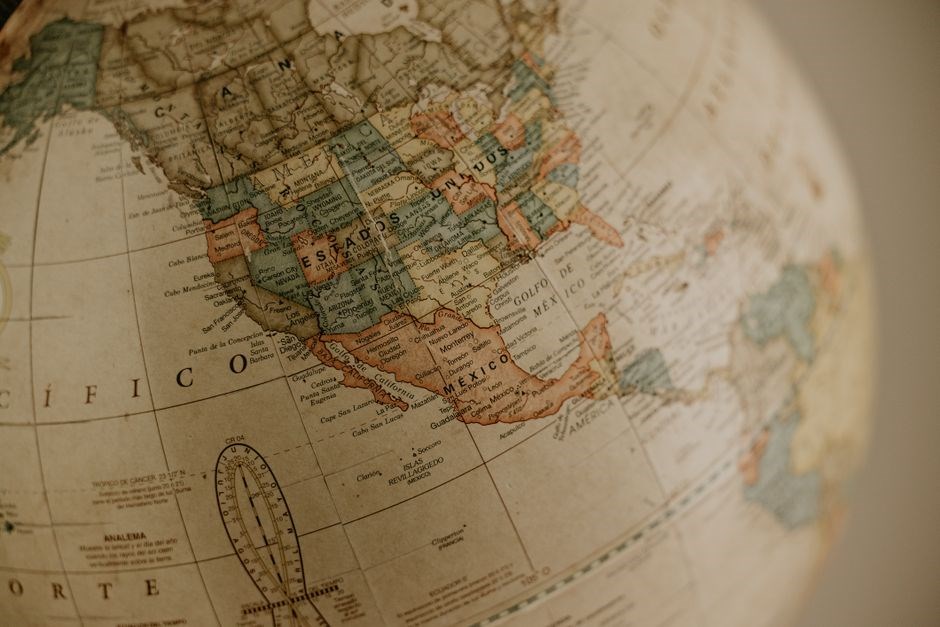
In addition, the interplay between geography and human innovation led to irrigation systems, terracing, and flood control, allowing societies to harness hostile environments. Cities near trade routes and resource‑rich zones fostered prosperity and cultural exchange, while isolation by rugged terrain preserved distinct linguistic and religious traditions. Geographic determinism underscores the role of Earth’s physical features in shaping history.
Thus, Earth’s physical features have guided adaptation and evolution across millennia !
Resource Distribution and Human Settlement
Early human communities clustered around abundant resources—freshwater, fertile soils, and raw materials—creating permanent settlements that evolved into complex societies. In Mesopotamia, the Tigris and Euphrates rivers provided irrigation, enabling surplus agriculture and urban growth. The Nile’s predictable flood cycle deposited nutrient‑rich silt, supporting dense populations and centralized authority. In the Indus Valley, the river’s seasonal flow fostered trade and standardized urban planning. Coastal regions offered fish, salt, and maritime trade routes, while inland plains supplied grain and livestock. Mountainous areas supplied timber, stone, and mineral ores, but also acted as natural barriers, influencing migration patterns and cultural isolation. Resource scarcity prompted technological innovations such as irrigation canals, terracing, and metallurgy, which in turn reinforced social hierarchies and state power. The distribution of precious metals like copper, tin, and later gold shaped trade networks, leading to cultural diffusion and diplomatic alliances. Thus, the geographic availability of resources directly determined settlement locations, economic specialization, and the trajectory of early civilizations. Archaeological evidence shows that early societies adapted to resource fluctuations by developing irrigation, terrace farming, and storage techniques, which allowed them to sustain large populations and support complex social hierarchies. These adaptive strategies built resilience, letting societies thrive amid climate change today!

Early Societies and Civilizations
Early societies emerged in river valleys, where fertile lands and water enabled agriculture, trade, and governance. These civilizations developed writing, law, and monumental architecture, shaping cultural identity and influencing future empires. and legacy. now.
Mesopotamia: The Cradle of Civilization
Mesopotamia, meaning “land between rivers,” lies between the Tigris and Euphrates in modern Iraq. Its fertile alluvial plains supported the earliest urban societies, beginning with Sumer around 3500 BCE. Sumerian city‑states—Uruk, Ur, Lagash—emerged, each governed by a priest‑king who wielded divine authority. The invention of cuneiform on clay tablets around 3200 BCE revolutionized record‑keeping, enabling the codification of laws, trade contracts, and literature such as the Epic of Gilgamesh. Irrigation canals, levees, and reservoirs transformed agriculture, allowing surplus production that sustained large populations and specialized labor. Religion permeated daily life; ziggurats served as temples, and myths explained natural phenomena. The Akkadian Empire, founded by Sargon in 2334 BCE, unified Mesopotamia under a single ruler, spreading Akkadian language and culture. Later, the Babylonian and Assyrian empires expanded influence through military conquest, administrative innovation, and monumental architecture, including the Hanging Gardens, one of the Seven Wonders. Mesopotamia’s legacy—writing, law, urban planning—continues to shape modern civilization.Its influence persists in the codification of laws, the development of irrigation systems, and the establishment of city-states, which together forged a complex social structure that supports trade, artistic expression, and scientific inquiry—elements that echo in contemporary societies. Its legacy endures in modern law codes and the concept of written language!!!
Ancient Egypt: Nile River Civilization
Egypt’s civilization blossomed along the Nile’s predictable flood cycle, which provided fertile silt for agriculture and a reliable water source in an otherwise arid landscape. From the First Dynasty around 3100 BCE, pharaohs consolidated power, uniting Upper and Lower Egypt and establishing a centralized state. The Old Kingdom (c. 2686–2181 BCE) produced the iconic pyramids, exemplified by the Great Pyramid of Giza, reflecting advanced engineering, labor organization, and religious ideology centered on the afterlife. The Middle Kingdom (c. 2055–1650 BCE) saw political stability, literary flourishing, and the expansion of trade routes to Nubia and the Levant. The New Kingdom (c. 1550–1070 BCE) marked Egypt’s imperial zenith, with pharaohs like Hatshepsut, Akhenaten, and Ramses II conquering territories, constructing monumental temples, and promoting a complex pantheon. Religious practices revolved around gods such as Ra, Osiris, and Isis; rituals, mummification, and the Book of the Dead guided mortuary customs. Hieroglyphic writing, developed around 3100 BCE, encoded language on temple walls, papyrus scrolls, and stelae, preserving administrative records, religious texts, and historical narratives. Egypt’s contributions to mathematics, astronomy, medicine, and architecture endure, influencing subsequent cultures and modern scholarship. Its legacy persists in the study of pharaonic governance, monumental art, and the enduring symbolism of the Nile as a life‑sustaining artery!!! Its influence shapes modern governance and identity!

Institutional Structures and Cultural Development
Ancient societies built institutions like guilds, schools, and libraries, fostering art, architecture, music, and philosophy. These structures shaped shared identities, preserved knowledge, and promoted cultural continuity across generations!!
Governance Systems: City-States to Empires

Governance in early societies evolved from small, autonomous city‑states to expansive empires, each model reflecting social organization, resource control, and ideological legitimacy. City‑states—such as the Greek polis, the Sumerian city‑state of Uruk, and the Mesopotamian city‑state of Lagash—were governed by councils or single magistrates, often elected or chosen by elite families. These local governments focused on defense, trade regulation, and religious patronage, creating a sense of shared identity among citizens who participated in public rituals and civic duties. The rise of monarchies in Egypt, the Akkadian Empire, and the Shang dynasty marked a shift toward centralized authority. Kings claimed divine sanction, using religious ideology to justify absolute power. Administrative divisions—such as provinces, satrapies, or prefectures—were established to manage resources, collect tribute, and enforce law across vast territories. Bureaucrats, scribes, and military officers formed a hierarchical structure that facilitated communication between the ruler and distant regions. The transition to empire also introduced codified laws, standardized weights and measures, and infrastructure projects that unified peoples. Legal codes, such as the Code of Hammurabi, codified social norms and economic regulations, while monumental architecture—pyramids, ziggurats, and temples—served as symbols of state power. These governance systems were not static; they adapted to internal pressures, such as revolts, and external threats, such as invasions. Over time, the balance between central authority and local autonomy shifted, influencing the longevity of empires and the cultural integration of conquered peoples. Understanding these governance models helps explain how early societies organized themselves, maintained stability, and transmitted cultural values across generations. Their legacy endures in modern statecraft and political theory!!
Religion, Language, and Writing Systems
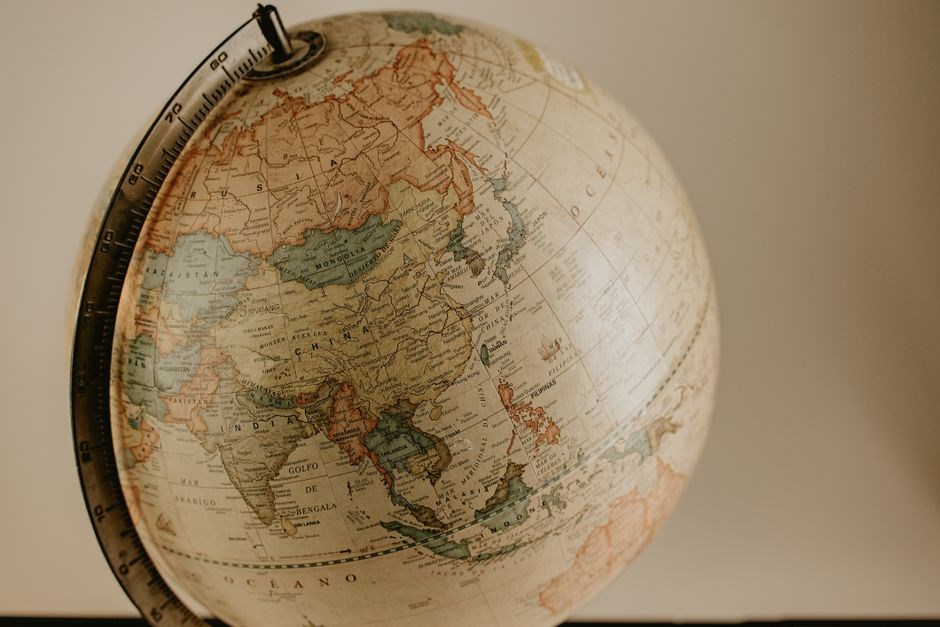
Religion in early societies served as a unifying ideology, legitimizing rulers and structuring daily life. Polytheistic pantheons—such as the Mesopotamian gods Enlil and Ishtar—were integrated into legal codes, while monotheistic shifts in later periods reflected evolving cosmologies. Language functioned as a tool of administration, trade, and cultural transmission. The Sumerian cuneiform tablets, the Egyptian hieroglyphic stelae, and the Akkadian Akkadian inscriptions illustrate how writing evolved from pictographic to phonetic systems, enabling record‑keeping, law codification, and literary expression. Script development mirrored political power: the Akkadian empire adopted cuneiform for administrative efficiency, while the Phoenician alphabet spread across the Mediterranean, laying groundwork for Greek and Latin scripts. Literacy rates varied; elite scribes maintained continuity of knowledge, whereas oral traditions preserved myths and genealogies. The interplay of religion, language, and writing fostered identity, facilitated governance, and allowed ideas to transcend geographic boundaries, setting a foundation for cultural diffusion and intellectual growth in subsequent civilizations. Through these intertwined systems, early peoples forged complex identities that transcended local boundaries, creating a shared human narrative that persists in modern cultural memory and informs contemporary discussions on governance, language preservation, and the enduring power of written expression!!!
Economic and Trade Networks
Trade linked Mesopotamia, Egypt, Indus, and China via rivers, roads, and sea routes, exchanging grain, textiles, and luxury goods. Commerce spread ideas, technology, and wealth, fostering cultural diffusion and economic interdependence among early societies.!? And cultural exchange and trade routes for artisans.!?
Early Trade Routes and Goods Exchange
Early trade routes emerged as societies sought resources beyond local boundaries. The Fertile Crescent’s Mesopotamian city‑states traded grain and textiles along the Tigris‑Euphrates corridor, while the Nile’s annual floods facilitated the movement of papyrus, cedar, and gold from Nubia. In the Indus Valley, the Indus River enabled the exchange of cotton, beads, and precious metals between Harappa and Mohenjo‑Daro, and further eastward along the Silk Road’s precursor routes. The Chinese Old Route connected the Yellow River basin with the Yangtze, allowing silk, jade, and lacquerware to reach coastal ports. Maritime trade blossomed in the Red Sea, with Phoenician and later Greek vessels carrying cedar, glass, and spices to the Mediterranean. These networks were not merely economic; they transmitted technologies, religious ideas, and artistic motifs, laying groundwork for later empires’ expansion. The exchange of goods such as obsidian from Anatolia, lapis lazuli from Afghanistan, and ivory from sub‑Saharan Africa illustrates the breadth of early commerce. Trade guilds, caravanserais, and port cities emerged as hubs, fostering literacy and record‑keeping, evident in cuneiform tablets and hieratic scripts. The interplay of geography, resource distribution, and political stability determined the success of these routes, shaping the trajectory of human civilization. These routes also introduced new techniques, such as irrigation systems, which increased food surplus and supported larger urban populations, thereby accelerating societal more complexity.

Impact of Trade on Cultural Diffusion
Trade routes served as conduits for ideas, beliefs, and artistic expressions, weaving a tapestry of shared cultural motifs across continents. The Silk Road, for instance, transmitted Buddhist teachings from India to China, while Persian administrative practices influenced Greek governance. In the Mediterranean, the exchange of pottery styles and architectural techniques between Phoenicians, Greeks, and Romans created a hybrid aesthetic evident in amphorae and temple facades. The spread of metallurgy—bronze and iron—enabled societies to adopt similar weaponry and tools, fostering comparable social hierarchies. Culinary traditions also migrated; spices from the East enriched European cuisine, while Roman olive oil became a staple in Near Eastern diets. Religious iconography, such as the depiction of the Virgin Mary in Eastern Orthodox icons, blended with Western artistic conventions, producing a syncretic visual language. Language contact produced loanwords; for example, the Arabic term ‘algebra’ entered European vernaculars, illustrating intellectual exchange. The diffusion of writing systems—cuneiform, hieroglyphics, and later alphabets—facilitated the recording of laws, literature, and scientific knowledge across cultures. These interactions accelerated technological diffusion, such as the adoption of papermaking in China, which later reached Europe, revolutionizing information dissemination. Ultimately, trade’s cultural impact forged a shared human narrative, linking diverse societies through a mosaic of interconnected traditions and innovations.