
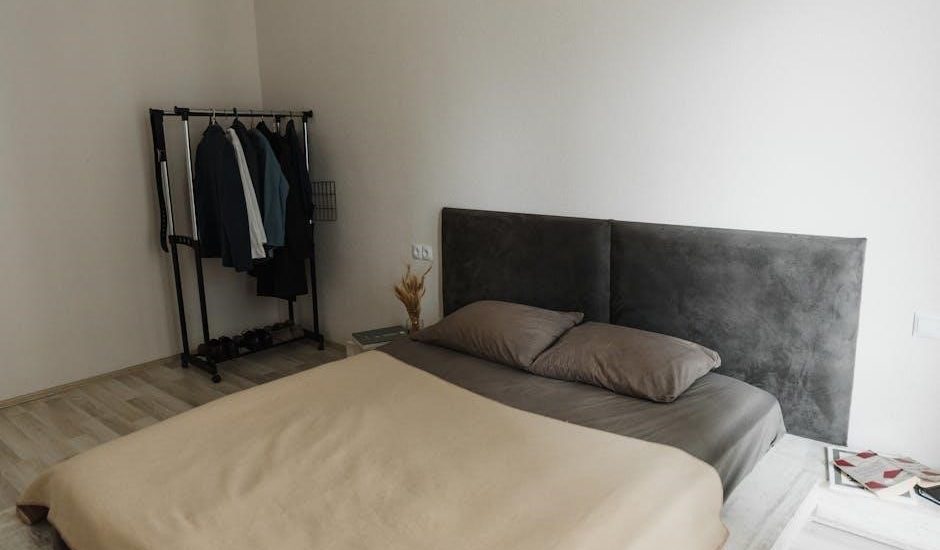
Establishing clear house rules is vital for successful room rentals, fostering respectful cohabitation and outlining expectations for all parties involved, as detailed in available templates.
Why Establish House Rules?
Clearly defined house rules are paramount for a harmonious living situation when renting out rooms. They proactively address potential conflicts, ensuring both landlords and tenants understand their rights and responsibilities. These rules, often formalized in a rental agreement or separate document – readily available as a ‘house rules for tenants renting a room pdf’ – establish expectations regarding cleanliness, noise levels, and guest policies.
Without such guidelines, misunderstandings can quickly escalate, leading to disputes and potentially legal issues. A well-crafted set of rules promotes mutual respect, encourages responsible behavior, and protects the property. Furthermore, consistent enforcement, facilitated by a documented agreement, ensures fairness and minimizes ambiguity, creating a more stable and enjoyable environment for everyone involved. Templates from resources like pdfFiller and RocketRent emphasize this proactive approach.
Legal Considerations & Enforceability
House rules, while essential, must align with local landlord-tenant laws. They cannot supersede a tenant’s legal rights. Rules regarding entry, safety, and discrimination are particularly sensitive and require careful consideration. A ‘house rules for tenants renting a room pdf’ template should be reviewed by legal counsel to ensure compliance.
Enforceability hinges on clear, reasonable rules presented before lease signing, with documented acknowledgment from all parties. Consistent application is crucial; selective enforcement can be deemed discriminatory. Rules should be specific, avoiding vague language. Resources like DocHub highlight the importance of these documents for both property managers and tenants, fostering a cooperative and legally sound living arrangement. A properly executed agreement strengthens the landlord’s ability to address violations.
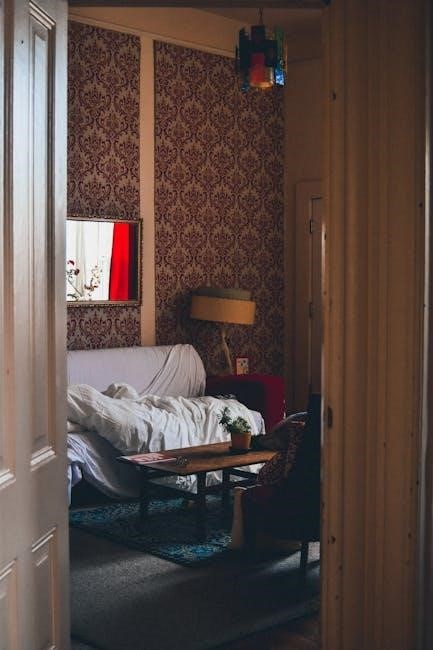
Essential Clauses for Room Rental House Rules
Key clauses cover rent, security deposits, guests, pets, and noise levels, ensuring clarity and preventing disputes, as outlined in readily available rental agreement templates.
Rent Payment & Late Fees
Clearly define the rent amount, due date, and acceptable payment methods (e.g., cash, check, electronic transfer). Specify a grace period, if any, before late fees are applied. Detail the late fee amount or percentage, ensuring it complies with local laws.
Outline consequences for consistently late payments, potentially including notices to quit or legal action. Consider including a clause addressing returned checks or insufficient funds, outlining associated fees. Providing a clear and concise rent payment schedule minimizes misunderstandings and promotes timely payments. Templates often include sections for these details, streamlining the process for both landlords and tenants. Consistent enforcement of these rules is crucial for maintaining a healthy landlord-tenant relationship.
Security Deposit Details
Specify the security deposit amount and the conditions for its full or partial return. Itemize potential deductions, such as damage beyond normal wear and tear, unpaid rent, or cleaning costs. Detail the process for conducting a move-out inspection, including providing the tenant with a checklist and opportunity to be present.
Clearly state the timeframe for returning the security deposit, adhering to local and state regulations. Include information regarding interest accrual, if applicable. Templates often provide sections to document the initial condition of the room with photos or a written report. A transparent security deposit policy builds trust and minimizes disputes upon lease termination, ensuring fair treatment for both parties.
Guest Policies & Limitations
Define clear guidelines regarding overnight guests, including any limitations on the frequency or duration of visits. Specify whether guests are permitted in common areas and at what times. Consider outlining rules about registering guests with the landlord or primary tenant for security purposes.
Address potential issues like noise levels and shared space usage related to guests. Templates often include clauses prohibiting unauthorized parties or gatherings. Establishing these boundaries upfront prevents misunderstandings and ensures a comfortable living environment for all residents. A well-defined guest policy promotes respect for personal space and shared resources, contributing to harmonious cohabitation.
Pet Policies (If Applicable)
If pets are allowed, a detailed pet policy is crucial. Specify the types and sizes of pets permitted, and any associated fees or deposits. Outline responsibilities for pet owners, including cleaning up after their animals both inside the rental unit and on the property.
Address potential issues like noise complaints, damage to property, and interactions with other tenants or their pets. Clearly state rules regarding pet behavior and leash requirements in common areas. Templates often include clauses holding pet owners liable for any damages caused by their animals. A comprehensive pet policy protects both the landlord and other tenants, ensuring a peaceful and safe living environment.
Quiet Hours & Noise Levels
Establishing quiet hours is essential for maintaining a peaceful living environment in shared rental spaces. Typically, quiet hours are enforced during nighttime and early morning, such as from 10 PM to 7 AM, but these times can be adjusted. Specify acceptable noise levels during all hours, prohibiting excessively loud music, television, or conversations.
Consider including rules about activities that generate significant noise, like power tools or loud gatherings. Templates often emphasize the importance of respecting neighbors and avoiding disturbances. Clearly defined noise policies minimize conflicts and ensure all tenants can enjoy their living space comfortably. Consistent enforcement of these rules is key to a harmonious household.

Rules Regarding Common Areas
Common areas—kitchens, living rooms, bathrooms—require clear guidelines for usage, cleaning schedules, and respectful etiquette to ensure shared enjoyment for all residents.
Kitchen Usage & Cleaning
Kitchen access is generally permitted for all tenants, but responsible usage is paramount. All tenants are expected to clean up immediately after preparing meals, including washing dishes, wiping counters, and sweeping the floor. Shared food items should be clearly labeled, and personal groceries stored separately.
A rotating cleaning schedule, posted in a visible location, will outline weekly tasks such as cleaning the refrigerator, microwave, and stovetop. Failure to adhere to the cleaning schedule may result in a warning or, in repeated instances, a deduction from the security deposit.
Cooking strong-smelling foods during peak hours should be avoided as a courtesy to others. Tenants are responsible for the proper disposal of food waste to prevent odors and pests. Any damage to kitchen appliances caused by misuse will be the responsibility of the tenant.
Bathroom Usage & Cleaning
Bathroom access is shared, requiring all tenants to maintain a high standard of cleanliness and hygiene. After each use, tenants are responsible for wiping down surfaces, including the sink and counter, and promptly addressing any spills. Toiletries and personal items must be stored neatly and not left cluttering shared spaces.
A rotating cleaning schedule, prominently displayed, will detail weekly tasks like scrubbing the toilet, cleaning the shower/tub, and mopping the floor. Failure to participate in the schedule may lead to warnings or deductions from the security deposit.
Tenants should be mindful of water usage and report any leaks or plumbing issues immediately. Excessive use of hairspray or other aerosol products should be minimized to avoid residue buildup. Respectful consideration for others’ privacy is expected.
Living Room/Shared Space Etiquette
Shared living spaces, like the living room, are for the enjoyment of all tenants; therefore, respectful behavior is paramount. Keep the area tidy after use, promptly removing any personal belongings, dishes, or trash. Furniture should remain in its original arrangement unless prior consent is obtained.
Volume levels for televisions, music, and conversations should be considerate of others, especially during quiet hours. Guests are permitted, but tenants are responsible for their behavior and adherence to these rules. Overnight guests may be limited, as outlined in the guest policy.
Food and drinks are allowed, but spills should be cleaned immediately. Shared items, like books or games, should be treated with care and returned to their proper place. Cooperative use and mutual respect are key to a harmonious living environment.
Trash & Recycling Procedures
Proper waste disposal is crucial for maintaining a clean and sanitary living environment. All tenants are responsible for correctly sorting trash and recyclables according to local guidelines and any specific instructions provided. Designated bins will be clearly labeled for general waste, paper, plastic, and glass.
Trash must be securely bagged before disposal to prevent odors and pest attraction. Recycling bins are for clean, recyclable materials only – no food waste or non-recyclable items are permitted. Bulk items, such as furniture or large boxes, require prior arrangement for disposal.
Regular trash and recycling schedules will be posted in a common area. Tenants are expected to adhere to these schedules to ensure timely collection and avoid overflowing bins. Maintaining cleanliness contributes to a pleasant living space for everyone.
Specific Conduct & Restrictions
Defined conduct guidelines ensure a harmonious living environment, addressing issues like smoking, alcohol, and illegal activities, as outlined in rental agreements and house rules.
Smoking Policy
Clearly define the smoking policy within the rental property. Options range from a complete prohibition of smoking anywhere on the premises – including inside the rented room, common areas, and even the exterior grounds – to allowing smoking only in designated outdoor areas.
If smoking is permitted in specific areas, precisely identify those locations. Specify consequences for violating the smoking policy, such as fines or lease termination. Consider including details about the disposal of cigarette butts and potential damage caused by smoke.
A comprehensive policy protects both the property and the health of all residents, ensuring a comfortable and respectful living environment. Documenting this clearly within the house rules is essential.
Drug & Alcohol Restrictions
Establish clear guidelines regarding drug and alcohol use on the property. Most landlords prohibit the illegal use, possession, or manufacture of any controlled substances. Specify that engaging in such activities is grounds for immediate lease termination and potential legal action.
Regarding alcohol, define acceptable levels of consumption and prohibit disruptive behavior resulting from intoxication. Consider outlining restrictions on excessive noise or gatherings that could disturb other tenants.
A well-defined policy protects the safety and well-being of all residents and maintains a peaceful living environment. Explicitly stating these rules in the house rules document is crucial for clarity and enforceability.
Illegal Activities Prohibition
A fundamental component of any room rental agreement is a strict prohibition of illegal activities on the premises. This encompasses, but isn’t limited to, any actions violating local, state, or federal laws. Explicitly state that tenants are responsible for adhering to all applicable regulations.
This includes activities like theft, vandalism, harassment, and any form of criminal conduct. Clearly define that engaging in such behavior constitutes a serious breach of the rental agreement, leading to immediate eviction and potential legal prosecution.
Landlords must prioritize the safety and security of all residents and the property itself by enforcing a zero-tolerance policy towards illegal activities.
Alterations to the Room
Tenants should be explicitly informed regarding restrictions on altering the rented room. Generally, any modifications – including painting, wallpapering, installing shelves, or making changes to fixtures – require prior written consent from the landlord or property manager.
This clause protects the property’s value and ensures the room can be easily restored to its original condition upon move-out. Specify that tenants are financially responsible for any damages beyond normal wear and tear resulting from unauthorized alterations.
Clearly outline the process for requesting permission, and emphasize that approval is not guaranteed. Returning the room to its original state at the tenant’s expense is also crucial.

Access & Entry Rules
Defining access rights for both landlords and tenants is essential, outlining proper notice periods for entry and respecting tenant privacy, as per rental agreements.
Landlord/Tenant Access Rights
Landlords generally retain the right to access the rented room and common areas, but this right isn’t absolute. Access is typically permitted for necessary repairs, maintenance, or in emergency situations. However, a crucial element of a well-defined house rules document, and rental agreement, is specifying appropriate notice requirements before entry.
Tenants deserve reasonable privacy, and sudden, unannounced visits can violate that. Agreements should clearly state the required notice period – often 24 to 48 hours – except in genuine emergencies. Conversely, tenants should also understand they cannot unreasonably deny access for legitimate landlord needs.
The document should also outline acceptable times for entry, avoiding disturbances during inconvenient hours. A clear understanding of these rights and responsibilities minimizes potential conflicts and fosters a respectful landlord-tenant relationship, as emphasized by available templates.
Notice Requirements for Entry
Clearly defined notice requirements are paramount for protecting tenant privacy and preventing disputes. House rules should explicitly state the amount of advance notice a landlord must provide before entering the rented room or shared spaces – typically 24 to 48 hours is considered reasonable. This allows tenants to prepare for the visit and ensures minimal disruption to their daily lives.
The method of delivering notice should also be specified; email, text message, or a written note are common options. Exceptions to the notice requirement should be limited to genuine emergencies – such as a burst pipe or fire – where immediate access is necessary.
Templates emphasize documenting these procedures. A well-articulated notice policy demonstrates respect for tenant rights and contributes to a positive landlord-tenant relationship, minimizing potential legal issues.

Maintenance & Repairs
Prompt reporting of maintenance issues is crucial; tenants should understand procedures for requesting repairs, and landlords must address them efficiently, as outlined in agreements.
Reporting Maintenance Issues
Tenants are required to promptly notify the landlord, preferably in writing (email is acceptable), of any maintenance issues or necessary repairs within the rented room or common areas. This includes, but isn’t limited to, plumbing problems, electrical malfunctions, appliance failures, or structural concerns.
The notification should clearly describe the issue, its location, and any relevant details. Emergency situations, posing immediate danger to health or safety, should be reported immediately via phone call followed by written confirmation.
Landlords will acknowledge receipt of the maintenance request and provide a reasonable timeframe for addressing the issue. Tenants should allow access for repairs with appropriate notice, as per the access and entry rules outlined in this document. Failure to report issues promptly may delay repairs and potentially worsen the problem.
Tenant Responsibilities for Minor Repairs
Tenants are responsible for maintaining the cleanliness and basic upkeep of their rented room. This includes replacing light bulbs, unclogging minor drain blockages (using appropriate methods), and promptly cleaning up any spills or messes.
Small damages resulting from tenant negligence, such as a chipped paint spot or a loose door handle, may be the tenant’s financial responsibility to repair or cover the cost of repair, as agreed upon with the landlord.
Tenants should not attempt major repairs themselves, as this could void warranties or create safety hazards. All significant maintenance issues must be reported to the landlord for professional attention. Documenting any minor repairs undertaken by the tenant, with photos if possible, is recommended.
Conflict Resolution
Disputes should be addressed through open communication, mediation, or roommate meetings, as outlined in the rental agreement, ensuring a fair and respectful resolution process.
Mediation Process
Should disagreements arise that roommates cannot resolve independently, a neutral third-party mediation process will be initiated. Both parties agree to participate in good faith, attempting to reach a mutually acceptable solution. The mediator’s role is to facilitate communication, not to impose a decision.
Prior to formal mediation, a written summary of the conflict, outlining specific concerns and proposed resolutions, must be submitted to all involved. Mediation sessions will be scheduled within seven days of the request, and will last no longer than two hours. If mediation fails, further steps, as outlined in the rental agreement, may be considered, potentially including landlord intervention or, as a last resort, legal counsel.
Roommate Meetings
Regular roommate meetings are strongly encouraged to proactively address concerns and maintain a harmonious living environment. These meetings provide a dedicated space for open communication, allowing all residents to voice opinions and collaboratively resolve potential issues before they escalate. Meetings should be scheduled at least monthly, with a rotating responsibility for facilitation.
An agenda should be circulated 24 hours in advance, including topics such as cleanliness, noise levels, and shared resource usage. All attendees are expected to participate respectfully and constructively. Meeting minutes, documenting discussed issues and agreed-upon solutions, will be maintained and shared amongst all roommates, fostering accountability and transparency.
Documenting & Implementing the Rules
Formal documentation, including signatures, confirms agreement and understanding of the house rules, ensuring clarity and providing a reference point for all residents.
Signing & Acknowledgment
A crucial step in implementing house rules is obtaining a signed acknowledgment from each tenant. This demonstrates they’ve received, read, and understand the outlined expectations for the rental property. Utilizing a dedicated section within the room rental agreement, or a separate addendum, provides a clear space for signatures and dates.

This signature serves as legally sound proof of agreement, minimizing potential disputes later on. It’s best practice to provide each tenant with a copy of the signed document for their records. Digital signatures, facilitated through e-signature platforms, are also acceptable and offer convenient tracking.
Ensure the acknowledgment explicitly states the tenant agrees to abide by all stated rules and regulations. This simple act significantly contributes to a harmonious living environment and protects both the landlord and the tenant’s interests.
Distribution of the Rules (PDF Format)
Providing house rules in a readily accessible PDF format is highly recommended for efficient distribution and record-keeping. PDFs ensure consistent formatting across all devices and prevent accidental alterations to the document’s content. This digital format allows for easy emailing to prospective and current tenants, streamlining the onboarding process.
Storing a copy of the distributed PDF, along with the signed acknowledgment, creates a comprehensive record of agreement. Online form collections, like pdfFiller, facilitate easy creation and distribution of these documents. Tenants can also readily save the PDF for future reference, ensuring they always have access to the agreed-upon guidelines.
Consider hosting the PDF on a shared drive or tenant portal for convenient access. This proactive approach promotes transparency and minimizes misunderstandings.
Review & Updates to the Rules
Regularly reviewing house rules is crucial to ensure their continued relevance and effectiveness. Life circumstances change, and unforeseen issues may arise, necessitating adjustments to the original agreement. A periodic review – perhaps annually, or when a new tenant joins – allows for open discussion and collaborative refinement.
Any updates should be documented clearly, communicated to all tenants in writing (preferably via a revised PDF), and acknowledged with a new signature. This maintains a clear audit trail of changes and ensures everyone is operating under the same understanding.
Consider incorporating a clause allowing for reasonable amendments with sufficient notice, fostering a flexible and adaptable living environment. Proactive updates prevent disputes and promote harmonious cohabitation.