Seven-speed manual transmissions represent a pinnacle of driver engagement, offering a unique blend of control and efficiency. Their survival hinges on enthusiast demand, despite declining popularity.
Historical Context of Manual Transmissions
The story of manual transmissions stretches back to the earliest automobiles, initially requiring significant physical effort from drivers. Over decades, advancements refined gear shifting, moving from external levers to internal systems. These early transmissions typically featured three or four speeds, gradually increasing as engine technology evolved.
The pursuit of improved fuel economy and performance drove the development of five and then six-speed manuals. The introduction of seven-speed manuals represents a relatively recent innovation, born from a desire to further optimize gear ratios and enhance the driving experience, particularly in performance vehicles. This evolution reflects a continuous quest for efficiency and driver control.
The Rise of 7-Speed Manuals
The emergence of seven-speed manual transmissions wasn’t about necessity, but optimization. While six-speed manuals were already capable, manufacturers sought to squeeze even more performance and efficiency from their powertrains. This pursuit led to the development of closer gear ratios, allowing engines to stay within their optimal power band more frequently.
Initially appearing in high-performance sports cars and luxury vehicles, 7-speed manuals catered to enthusiasts valuing driver engagement. Their adoption, however, remains limited, largely dependent on continued demand from this dedicated community. The future viability of these transmissions relies heavily on preserving this enthusiast base.
How a 7-Speed Manual Transmission Works
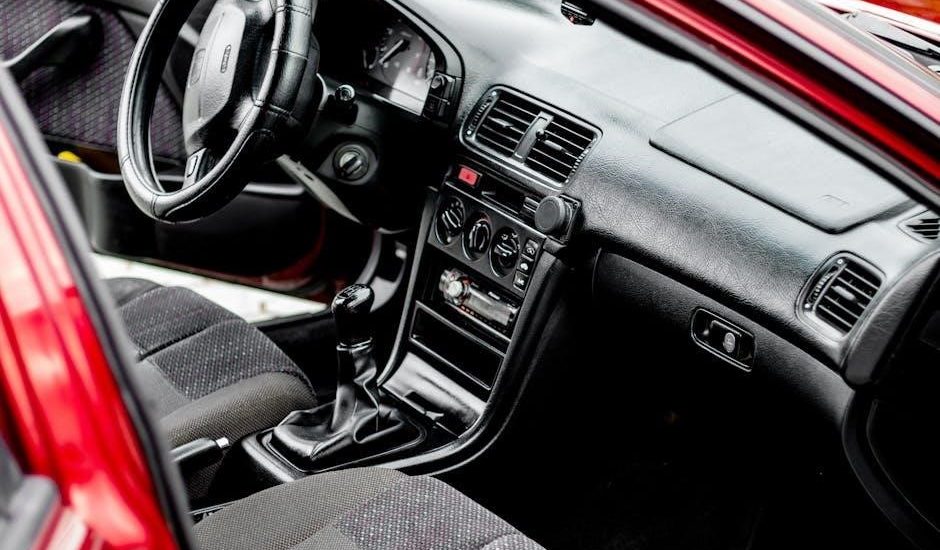
A 7-speed manual utilizes intricate gearsets, a precise clutch, and synchromesh technology to deliver power efficiently, offering a wider range of ratios.
Gear Ratios and Their Impact
The seven-speed manual’s defining characteristic lies in its closely spaced gear ratios. These ratios allow the engine to consistently operate within its optimal power band, maximizing efficiency and responsiveness. Lower gears provide quicker acceleration, while higher gears enable relaxed cruising at highway speeds.
Compared to a traditional six-speed, the extra gear minimizes the ‘jump’ between each shift, resulting in smoother transitions and reduced power loss. This is particularly beneficial during spirited driving, allowing the driver to maintain momentum and control. The impact extends to fuel economy, as the engine spends more time operating at its most efficient RPM.
Synchromesh Technology Explained
Synchromesh technology is crucial for the smooth operation of any manual transmission, but especially a seven-speed where quicker shifts are desired. It functions by synchronizing the speeds of the gears before engagement, preventing grinding and allowing for seamless transitions. Cone-shaped synchronizers utilize friction to match rotational velocities.
In a seven-speed, the tighter gear ratios demand highly refined synchromesh systems. Modern designs often incorporate multiple cones for increased surface area and improved performance. This technology minimizes driver effort and extends the lifespan of the transmission components, contributing to a more enjoyable driving experience.
The Role of the Clutch System
The clutch system in a 7-speed manual transmission is paramount, facilitating smooth gear changes by temporarily disconnecting the engine from the drivetrain. It allows the driver to select different gear ratios without damaging the transmission components. A robust and precisely calibrated clutch is essential for handling the increased shift frequency inherent in a seven-speed gearbox.
Modern clutches often employ advanced materials and designs to withstand higher torque loads and provide consistent engagement. Proper clutch modulation is key to maximizing performance and minimizing wear, especially during spirited driving. The clutch directly impacts the driver’s connection to the vehicle.
Advantages of a 7-Speed Manual Transmission
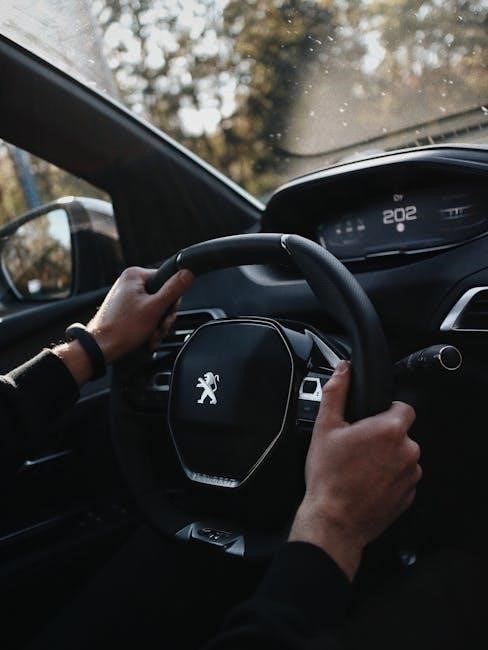
A seven-speed manual delivers enhanced fuel economy, superior driver control, and heightened engagement, alongside improved acceleration and responsiveness for a thrilling experience.
Enhanced Fuel Efficiency
The increased number of gears in a 7-speed manual transmission allows the engine to operate more consistently within its optimal RPM range. This translates directly into improved fuel efficiency, especially during highway cruising. By maintaining lower engine speeds at higher velocities, less fuel is consumed to cover the same distance.
Furthermore, the driver’s control over gear selection enables them to optimize engine load based on driving conditions. Skillful shifting can maximize efficiency, unlike automatic transmissions which may prioritize convenience over economy. This precise control contributes to noticeable fuel savings over time, appealing to both performance and budget-conscious drivers.
Improved Driver Control and Engagement
A 7-speed manual transmission fosters a deeper connection between driver and machine, demanding active participation in the driving experience. This heightened engagement isn’t merely about shifting gears; it’s about feeling the engine’s response and precisely controlling power delivery. The extra gear provides finer control over the vehicle’s dynamics, allowing for optimal performance in various scenarios.
This level of control appeals strongly to driving enthusiasts who value the tactile feedback and sense of accomplishment that comes with mastering a manual gearbox. It transforms driving from a passive activity into an immersive and rewarding experience, enhancing overall enjoyment.
Performance Benefits – Acceleration & Responsiveness
The seven-speed configuration often translates to noticeable performance gains, particularly in acceleration and responsiveness. Closer gear ratios keep the engine operating within its optimal power band more frequently, maximizing output. This results in quicker acceleration times and a more immediate throttle response, enhancing the driving experience.
Furthermore, the ability to select the precise gear for any given situation allows drivers to exploit the engine’s capabilities fully. This is especially beneficial in spirited driving or track conditions, where precise control and rapid gear changes are crucial for achieving optimal performance.
Disadvantages of a 7-Speed Manual Transmission
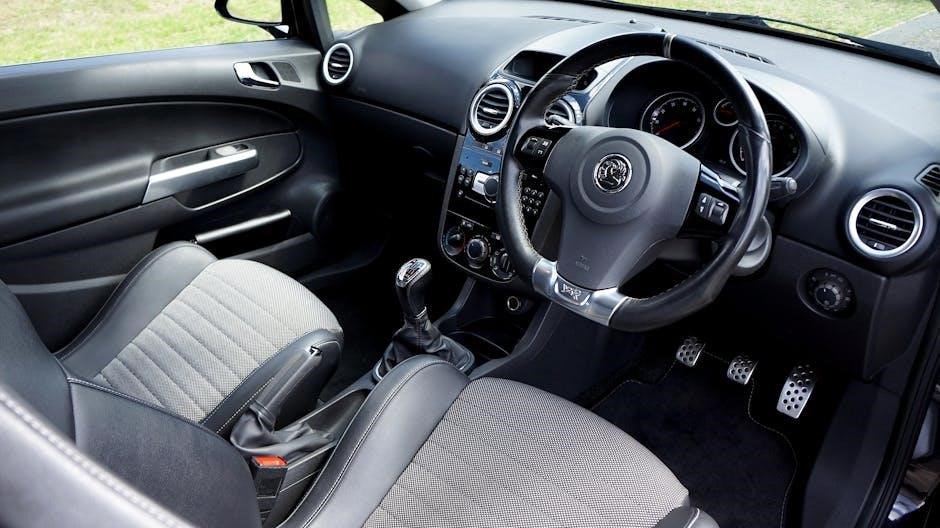
Despite advantages, 7-speed manuals present a steeper learning curve and can be challenging in heavy traffic, potentially leading to driver fatigue and errors.
Steeper Learning Curve
Mastering a 7-speed manual transmission demands significant practice and coordination. The additional gear necessitates a more refined understanding of optimal shifting points for various driving scenarios. Drivers accustomed to fewer gears may initially experience difficulty achieving smooth transitions, potentially leading to jerky movements or stalled engines.
Hill starts can prove particularly challenging, requiring precise clutch and throttle control to prevent rollback. Furthermore, the increased complexity can overwhelm novice drivers, diminishing the initial enjoyment of the driving experience. Patience and dedicated practice are crucial for unlocking the full potential of this transmission type.
Potential for Driver Error
The increased number of gears in a 7-speed manual inherently amplifies the potential for driver error during operation. Incorrect gear selection can lead to engine bogging, excessive wear on the clutch, or even stalling, particularly during critical maneuvers. Misjudging shift points negatively impacts fuel efficiency and overall driving smoothness.
Rushing shifts or improper clutch engagement can cause grinding gears, resulting in costly transmission damage over time. Maintaining focus and developing precise muscle memory are essential to mitigate these risks and fully harness the transmission’s capabilities.
Not Ideal for Stop-and-Go Traffic
A 7-speed manual transmission presents challenges in congested, stop-and-go traffic conditions. The frequent shifting required to maintain control at low speeds can become physically and mentally taxing for the driver, leading to fatigue. Constant clutch engagement and disengagement accelerate wear on the clutch components.
The need for precise coordination between the clutch, shifter, and throttle in slow-moving traffic diminishes the enjoyment of driving and can be frustrating. Automatic transmissions or dual-clutch systems offer a more relaxed experience in these scenarios.
Common 7-Speed Manual Transmission Applications
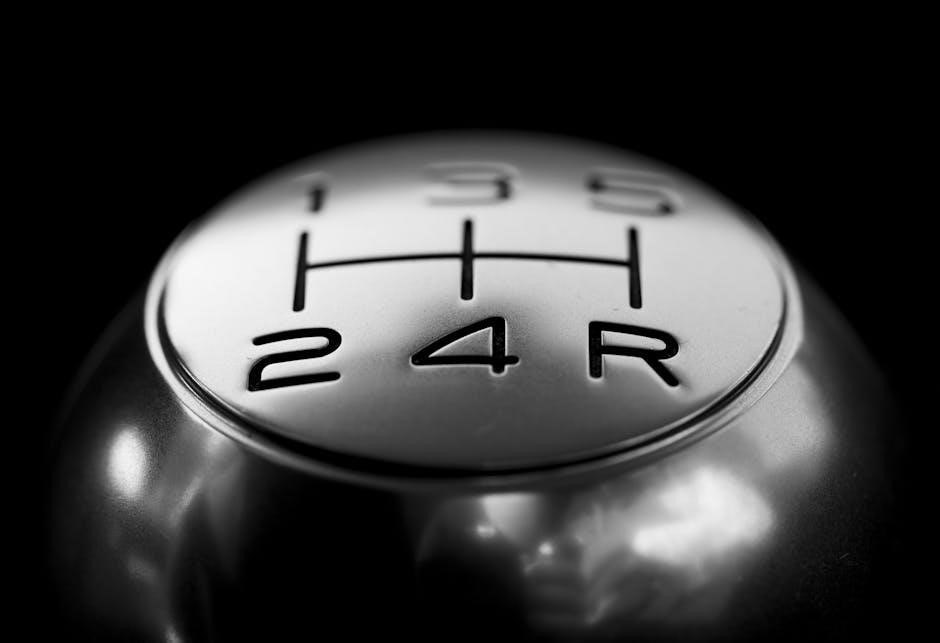
Typically found in sports cars, performance vehicles, and select luxury models, 7-speed manuals cater to driving enthusiasts seeking a connected and engaging experience.
Sports Cars and Performance Vehicles
The realm of sports cars and high-performance vehicles is where the 7-speed manual transmission truly shines. Manufacturers often integrate this gearbox to deliver an unparalleled driving experience, prioritizing driver involvement and control. The close gear ratios allow for optimal engine utilization, maximizing acceleration and responsiveness on both the road and the track.
Vehicles like the Porsche 911 and BMW M models, specifically certain generations, have famously offered this transmission, appealing to enthusiasts who relish the tactile feedback and precise gear changes. It’s a deliberate choice to cater to those who want to be fully connected to their machine, enhancing the overall driving pleasure.
Luxury Vehicles Offering Manual Options
While traditionally associated with performance, the 7-speed manual transmission has occasionally found its way into luxury vehicles, albeit as a niche offering. Automakers recognize a segment of luxury buyers who still desire a more engaging driving experience, rejecting the convenience of fully automatic systems.
This inclusion isn’t about outright speed, but about providing a heightened sense of control and connection to the vehicle. It caters to drivers who appreciate the craftsmanship and involvement a manual gearbox provides, even within a luxurious setting. These options demonstrate a commitment to catering to driving purists.
Niche Applications – Off-Roading & Track Use
Beyond the typical sports car application, the 7-speed manual transmission excels in specialized scenarios like off-roading and track days. The precise gear control offered is invaluable when navigating challenging terrain, allowing for meticulous engine braking and power delivery. On the track, the driver’s ability to select the optimal gear enhances performance and responsiveness.
The direct connection fosters a deeper understanding of the vehicle’s dynamics, crucial for both disciplines. While not widespread, these applications highlight the transmission’s versatility and appeal to dedicated enthusiasts seeking ultimate control.
Maintenance and Troubleshooting
Regular fluid checks are vital for longevity, alongside addressing issues like grinding gears or clutch problems promptly. Early detection prevents extensive transmission wear.
Regular Fluid Checks and Changes
Maintaining the correct fluid level and condition is paramount for a 7-speed manual transmission’s health. Regularly checking the transmission fluid – typically every 30,000 to 60,000 miles, or as specified in your vehicle’s manual – helps identify potential leaks or contamination.
The fluid should be clear and not smell burnt. Dark or gritty fluid indicates wear and requires a change. Using the manufacturer-recommended fluid type is crucial; incorrect fluid can cause damage. A complete fluid change, including flushing the system, is recommended at longer intervals to remove accumulated debris and ensure optimal lubrication, preserving the intricate gear mechanisms.
Common Issues: Grinding Gears & Clutch Problems
Two frequent issues with 7-speed manuals involve grinding gears and clutch malfunctions. Grinding typically signals incomplete engagement of the gears, often due to a worn synchromesh, low fluid, or improper shifting technique. Ignoring this can cause significant gear damage.
Clutch problems manifest as slipping, sticking, or a spongy pedal feel. Slipping indicates wear, while sticking suggests cable or hydraulic issues. A failing clutch prevents smooth gear changes and can leave you stranded. Prompt diagnosis and repair are essential to avoid further transmission damage and maintain drivability.
Signs of Transmission Wear and Tear
Detecting transmission wear early is crucial for preventing costly repairs. Difficulty shifting into specific gears, especially during cold starts, is a key indicator. Unusual noises, like whining or clunking, during operation also suggest internal issues.
Vibrations, particularly at higher speeds, can point to worn U-joints or imbalances. Leaking transmission fluid is a serious concern, indicating seal failure and potential internal damage. A burning smell often signifies overheating due to insufficient lubrication. Ignoring these signs will accelerate wear and potentially lead to complete transmission failure.
The Future of Manual Transmissions
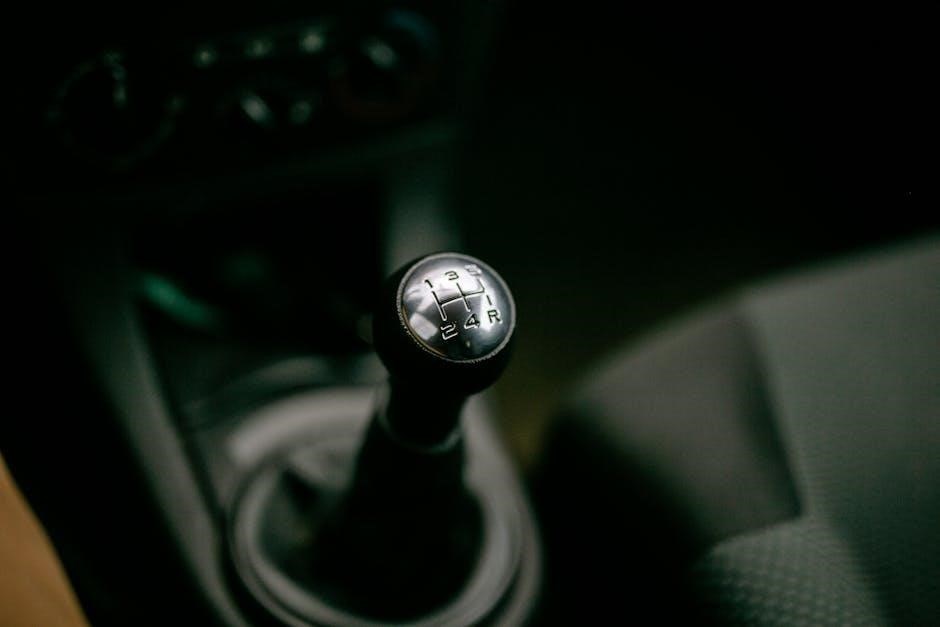
Despite a decline, enthusiast support keeps the manual transmission alive; potential hybrid/electric systems may offer a future for this engaging technology.
Declining Popularity and Market Trends
The automotive landscape is shifting dramatically, and manual transmissions, including the sophisticated 7-speed variants, are facing a significant decline in market share. Consumer preference increasingly leans towards the convenience of automatic transmissions, particularly in densely populated areas with frequent stop-and-go traffic. Automakers are responding to this trend by reducing the number of models offered with manual options, focusing resources on developing more efficient and advanced automatic and dual-clutch systems.
This isn’t simply about convenience; advancements in automatic technology have closed the performance and fuel efficiency gaps that once favored manuals. The availability of paddle shifters and sophisticated algorithms further diminishes the appeal for some drivers. However, a dedicated enthusiast base continues to champion the manual experience, influencing some manufacturers to retain the option in select performance models.
The Enthusiast Community’s Role in Preservation
Despite the overall decline, the passionate enthusiast community plays a crucial role in preserving the availability of 7-speed manual transmissions. This dedicated group actively seeks out and purchases vehicles equipped with manual gearboxes, demonstrating continued demand to manufacturers. Online forums, car clubs, and social media groups provide platforms for sharing knowledge, advocating for manual options, and celebrating the driving experience.
Their vocal support influences automakers to continue offering manuals, even in niche performance models. This community’s dedication isn’t merely nostalgic; it’s a belief in the superior connection and control a manual transmission provides, ensuring its legacy endures.
Potential for Hybrid/Electric Manual Systems
The future might hold surprising developments: manual transmissions integrated into hybrid or even fully electric vehicles. While seemingly counterintuitive, such systems could offer a unique driving experience, blending the engagement of a manual with the efficiency of electric powertrains; This could involve software-controlled clutchless manual modes or simulated gear changes to mimic the feel of a traditional gearbox.
Such innovations would cater to enthusiasts seeking a connected driving experience in the evolving automotive landscape, potentially revitalizing interest in manual transmissions and securing their place in the future.
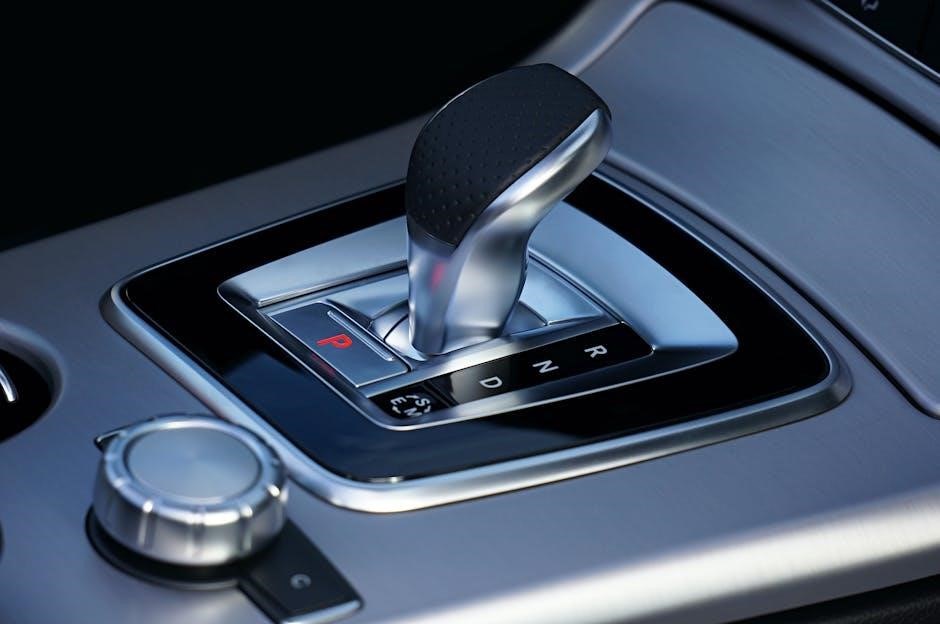
Comparing 7-Speed Manuals to Other Transmissions
Compared to six-speeds, seven-speed manuals offer closer ratios; against automatics and DCTs, they prioritize driver control and a direct mechanical connection.
7-Speed Manual vs. 6-Speed Manual
The primary distinction between a 7-speed and a 6-speed manual transmission lies in the gear ratios. A 7-speed offers closer ratios, allowing the engine to consistently operate within its optimal power band. This results in improved acceleration and potentially better fuel economy, as the engine doesn’t need to stray as far from its sweet spot during gear changes.
However, the benefits come with increased complexity. More gears mean a more intricate internal design and potentially a slightly more challenging driving experience, demanding quicker and more precise shifts. While a 6-speed remains a capable and engaging option, the 7-speed caters to those seeking maximum performance and control, offering a finer degree of tuning for specific driving conditions.
7-Speed Manual vs. Automatic Transmissions
The core difference between a 7-speed manual and an automatic transmission centers around driver involvement and control. Automatics prioritize convenience, handling gear selection autonomously, while manuals place the responsibility – and enjoyment – firmly in the driver’s hands. A 7-speed manual offers a more direct connection to the vehicle, enhancing the driving experience for enthusiasts.
Automatics, particularly modern ones, often match or even exceed manual transmissions in fuel efficiency and acceleration due to sophisticated computer control. However, they can sometimes feel less engaging. The manual demands skill and precision, rewarding drivers with a heightened sense of control and a more visceral connection to the machine.
7-Speed Manual vs. Dual-Clutch Transmissions (DCT)
Dual-Clutch Transmissions (DCTs) represent a technological middle ground, offering rapid, automated shifts without the full disconnection of a traditional automatic. While DCTs excel in speed and efficiency, often surpassing both manuals and automatics, they lack the raw engagement of a 7-speed manual. A DCT pre-selects the next gear, enabling incredibly fast changes.
The manual gearbox provides a uniquely tactile experience – the physical act of shifting, the clutch engagement – that a DCT simply cannot replicate. DCTs, though advanced, can sometimes feel sterile in comparison. Enthusiasts often prefer the manual’s directness and the sense of mastery it provides, even if it means slightly slower shift times.
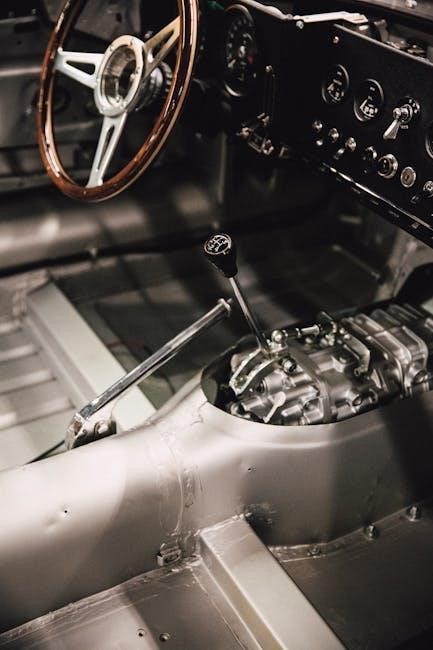
Popular Vehicles Featuring 7-Speed Manuals
Iconic models like the Porsche 911 and BMW M cars, alongside the Nissan 370Z, have proudly offered the engaging experience of a 7-speed manual transmission.
Porsche 911 (Specific Generations)
The Porsche 911 has a long and storied history with manual transmissions, and certain generations notably featured the sophisticated 7-speed configuration. Specifically, the 991 generation (2011-2019) offered a 7-speed manual as a compelling option for purists. This gearbox provided incredibly precise shifts and enhanced the connection between driver and machine, a hallmark of the 911 experience.
Porsche understood the importance of catering to enthusiasts, and the 7-speed manual in the 991 allowed for a truly immersive driving experience. It wasn’t just about performance; it was about the tactile feedback and control that only a manual transmission can deliver. This commitment solidified the 911’s reputation as a driver’s car.
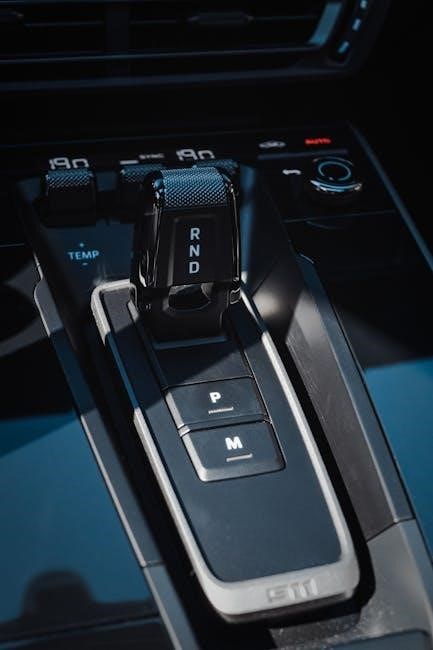
BMW M Models (Specific Generations)
BMW’s M division, renowned for its high-performance vehicles, also embraced the 7-speed manual transmission in select generations. The E90/E92 M3 (2007-2013) stands out as a prime example, offering enthusiasts a thrilling and engaging driving experience. This configuration allowed drivers to fully exploit the M3’s potent engine and finely-tuned chassis.
BMW recognized the demand for a visceral connection to the car, and the 7-speed manual delivered precisely that. It wasn’t merely a transmission; it was an integral part of the M3’s character, enhancing driver involvement and control. These models are now highly sought after by collectors and driving enthusiasts alike.
Nissan 370Z
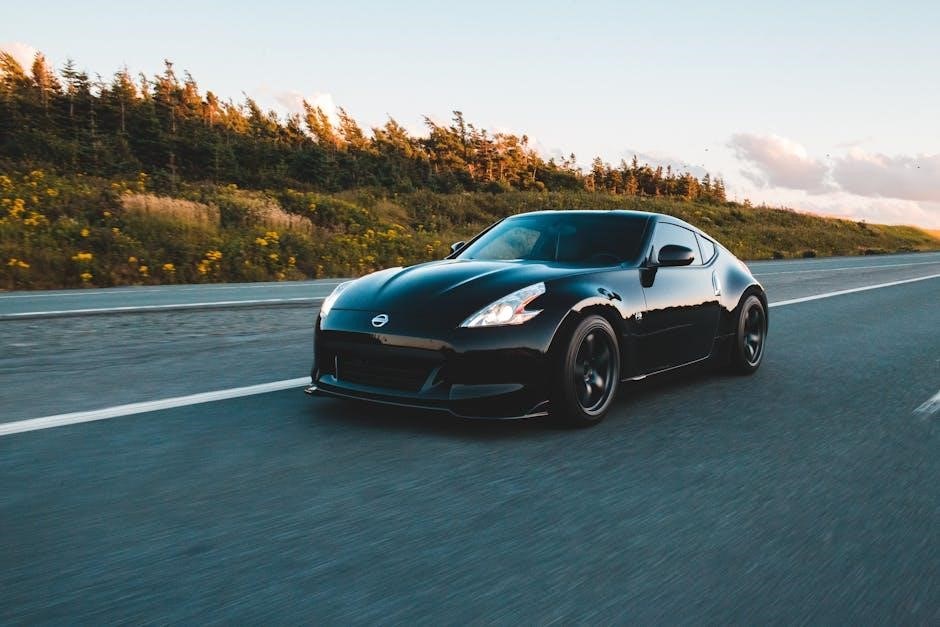
The Nissan 370Z offered a compelling and accessible entry point into the world of 7-speed manual transmissions. Available throughout much of its production run (2009-2020), the 370Z provided a raw and engaging driving experience that appealed to enthusiasts seeking a direct connection with their vehicle. It represented a relatively affordable option compared to some European counterparts.
Nissan’s commitment to offering a manual gearbox in the 370Z demonstrated a recognition of the importance of driver involvement. The 7-speed configuration complemented the car’s naturally aspirated V6 engine, delivering precise gear changes and a satisfying mechanical feel, solidifying its place among enthusiast favorites.