
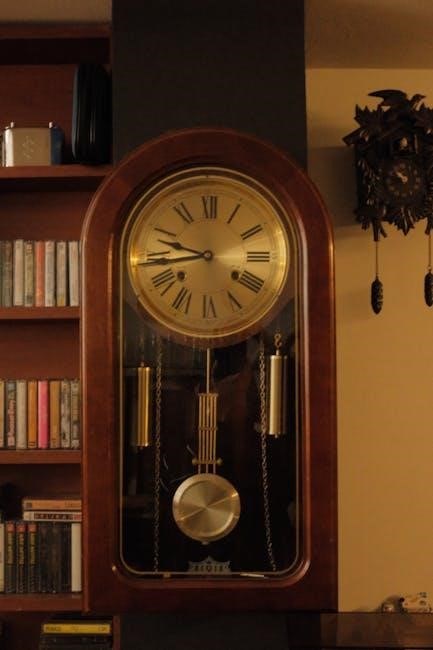
Battery-operated cuckoo clocks offer traditional charm without the need for winding! These delightful timepieces combine classic design with modern convenience, providing reliable timekeeping and the iconic cuckoo call.
What is a Battery-Operated Cuckoo Clock?
A battery-operated cuckoo clock is a modern adaptation of the traditional German cuckoo clock, eliminating the need for manual winding. Instead of weights, these clocks utilize batteries – typically “Baby” type – to power the timekeeping mechanism and the charming cuckoo bird. They retain the classic aesthetic, featuring a wooden case and the familiar hourly cuckoo call.
These clocks are designed for ease of use, offering a convenient way to enjoy the iconic cuckoo clock experience without the maintenance of traditional models. Setting up involves inserting batteries and adjusting the time, as detailed in operating instructions.
Benefits of Battery-Operated Cuckoo Clocks
Battery-operated cuckoo clocks provide numerous advantages! They are incredibly convenient, requiring no winding and offering hassle-free operation. Installation is simple – just insert batteries and set the time. These clocks are also more affordable than traditional weight-driven models, making them accessible to a wider audience.
Furthermore, they are portable and can be easily moved without needing to readjust weights. Regular battery changes (annually recommended) ensure consistent, accurate timekeeping and continued enjoyment of the cuckoo’s cheerful call.

Initial Setup and Battery Installation
Begin by preparing for a smooth setup! You’ll need to open the clock’s back cover to access the battery compartment and proceed with installation.
Choosing the Right Batteries
Selecting the correct batteries is crucial for optimal performance. Most battery-operated cuckoo clocks require alkaline batteries, specifically type “Baby” batteries as indicated within the battery holder. Avoid using heavy-duty or rechargeable batteries, as they may not provide sufficient power or could potentially damage the clock’s delicate mechanism. Always check your clock’s manual for the manufacturer’s specific recommendations regarding battery type and size to ensure compatibility and longevity. Using the wrong batteries can lead to inaccurate timekeeping or even complete clock failure.
Identifying Battery Polarity (+ and -)
Correct battery polarity is essential to prevent damage. Battery compartments clearly mark the positive (+) and negative (-) terminals. Mismatched polarity can cause irreversible harm to the clock’s movement and potentially lead to battery leakage. Carefully observe the markings within the battery compartment and align the batteries accordingly. Double-check your alignment before fully inserting the batteries to ensure a secure and properly functioning connection. Ignoring polarity can void any warranty and necessitate repairs.
Installing Batteries Correctly
Open the battery compartment, typically located on the back of the clock. Insert the batteries – usually type ‘Baby’ (AA or C size, depending on the model) – matching the positive (+) and negative (-) ends to the markings inside. Ensure a snug fit, but avoid forcing them. Close the battery cover securely. After installation, test the clock’s functionality by observing the hands and listening for the cuckoo call. Proper installation guarantees accurate timekeeping and prevents potential damage.

Setting the Time
To set the time, gently turn the hands clockwise until they reach 12 o’clock. Then, adjust the time to the current setting, ensuring accuracy for reliable operation.
Turning the Hands Clockwise to 12 o’clock
Before setting the correct time on your battery-operated cuckoo clock, it’s crucial to initially rotate both hour and minute hands clockwise until they precisely align at the 12 o’clock position. This step is fundamental for proper synchronization of the clock’s internal mechanism.
Do not attempt to set the time by moving the hands counter-clockwise, as this can potentially damage the delicate gears. Always prioritize a clockwise rotation to ensure smooth and accurate time adjustment. This initial step prepares the clock for precise timekeeping.
Manual Time Adjustment
After rotating the hands to 12 o’clock, carefully turn the adjustment knob – typically located on the clock’s face or back – to set the correct time. Gently rotate it clockwise to advance the hands, ensuring precise alignment with the current time. Avoid forcing the knob, as this could damage the movement.
Take your time and double-check the setting. Accurate manual adjustment is key to enjoying your cuckoo clock’s reliable timekeeping. Remember to synchronize with a trusted time source for optimal accuracy.
Synchronizing Time with a Reference
To ensure accuracy, synchronize your cuckoo clock with a reliable time source – a smartphone, computer, or official time website. After manually setting the time, compare it to the reference and make any necessary fine adjustments using the adjustment knob. This initial synchronization is crucial for consistent timekeeping.
Regularly check and resynchronize, especially after a power outage or significant time change, to maintain precision. A synchronized clock provides both accurate time and the delightful cuckoo chime at the correct intervals.

Understanding Cuckoo Clock Functions
Battery-operated cuckoo clocks feature a charming cuckoo call, often with automatic night shut-off to ensure peaceful sleep, and some models include delightful musical melodies!
The Cuckoo Call Mechanism
The enchanting cuckoo call is powered by a small bellows system activated by the clock’s movement. As the clock strikes the hour, a mechanical process pushes air through the bellows, creating the familiar “cuckoo” sound. This sound is synchronized with the opening and closing of the cuckoo door. The number of cuckoo calls corresponds to the hour – one for 1 o’clock, two for 2 o’clock, and so on. This delightful feature brings a touch of the Black Forest tradition into your home, all powered by reliable battery operation.
Automatic Night Shut-Off (if applicable)
Many battery-operated cuckoo clocks feature an automatic night shut-off function to ensure peaceful sleep. This clever mechanism silences the cuckoo call during nighttime hours, typically between a pre-set time, like 10 PM and 6 AM. This prevents unwanted disturbances while still maintaining accurate timekeeping. The feature can often be activated or deactivated with a small switch located on the back of the clock, offering customizable control over the cuckoo’s cheerful announcements.
Music and Other Features
Beyond the classic cuckoo call, some battery-operated cuckoo clocks boast delightful additional features! Many models include charming melodies that play on the hour, enhancing the clock’s appeal. Others simulate a pendulum swing for a traditional aesthetic, even without a true pendulum. Decorative elements, like moving figurines or intricate carvings, further enrich the clock’s visual charm. These features add layers of enjoyment to this timeless timepiece, blending functionality with artistry.

Battery Maintenance and Replacement
Regular battery changes – annually, or when the clock stops – are crucial! Removing batteries if the clock isn’t used prevents leakage and potential damage.
Recommended Battery Replacement Frequency
To ensure consistent and reliable operation of your battery-operated cuckoo clock, it’s highly recommended to replace the batteries at least once a year. Even if the clock continues to function, battery power gradually diminishes over time, potentially affecting accuracy or the cuckoo’s call.
However, if you notice any signs of weakening performance, such as a faint cuckoo sound or inaccurate timekeeping, replace the batteries immediately. Proactive replacement prevents potential battery leakage, which could damage the clock’s internal mechanisms; Consider setting a calendar reminder to facilitate timely battery changes!
Signs Your Battery Needs Replacing
Several indicators suggest your battery-operated cuckoo clock requires fresh batteries. A weakening or fading cuckoo call is a primary sign, as is a noticeable decrease in the volume of the chime. If the clock begins losing time or displaying inaccurate readings, battery replacement is crucial.
Furthermore, if the cuckoo doesn’t emerge promptly or at all, or if the clock stops functioning entirely, it’s a clear indication the batteries need changing. Don’t delay – address these signs promptly to maintain optimal performance!
Preventing Battery Leakage
To safeguard your cuckoo clock and prevent potential damage from battery leakage, always remove batteries if the clock will be unused for an extended period. It’s recommended to replace batteries annually, even if the clock still functions, as a preventative measure.
Ensure correct battery polarity during installation (+ and -) and avoid mixing old and new batteries. If leakage occurs, carefully remove the batteries and clean the battery compartment thoroughly before inserting replacements.

Troubleshooting Common Issues
If your cuckoo clock isn’t chiming, losing time, or the hands aren’t moving, a battery replacement is often the first and simplest solution to try!
Clock Not Chiming
If your battery-operated cuckoo clock suddenly stops chiming, the most common culprit is a weak or depleted battery. Begin by replacing the batteries with fresh ones, ensuring correct polarity. If the issue persists after a battery change, double-check that the time has been set correctly, as some models won’t chime if the hands aren’t properly positioned.
Occasionally, the cuckoo mechanism itself might be temporarily stuck; gently nudge the birdhouse to see if it releases. If none of these steps resolve the problem, consult the manufacturer’s instructions or seek assistance from a clock repair professional.
Clock Losing Time
If your battery-operated cuckoo clock is consistently losing time, it indicates a potential issue with the quartz movement or the batteries themselves. While less common, a weak battery can cause inaccurate timekeeping, even if the clock still chimes. Replace the batteries with a new set of the correct type.
Ensure the hands are not obstructed and are moving freely. If the problem continues after a battery replacement, the quartz movement may require professional attention or replacement.
Hands Not Moving
When the hands of your battery-operated cuckoo clock aren’t moving, the first step is to check the batteries. Ensure they are installed correctly, observing the proper polarity (+ and -) as indicated in the battery compartment. Even new batteries can be faulty, so testing with a different set is advisable.
If batteries aren’t the issue, gently try moving the hands; they might be stuck. If still unresponsive, the quartz movement may be defective and require replacement.

Advanced Care and Cleaning
To preserve your cuckoo clock’s beauty, regularly dust the case and gently clean the face with a soft cloth, avoiding direct sunlight and humidity.
Cleaning the Clock Face
Maintaining the clock face’s pristine condition requires a delicate approach. Always use a soft, dry cloth to gently wipe away dust and debris. Avoid abrasive cleaners or harsh chemicals, as these can damage the finish or delicate details. For stubborn marks, lightly dampen the cloth with water, ensuring it’s almost dry before wiping.
Never spray cleaner directly onto the clock face; instead, apply it to the cloth first. Pay close attention to the numerals and any decorative elements, carefully cleaning around them. Regular, gentle cleaning will keep your cuckoo clock looking its best for years to come.
Dusting the Clock Case
Regular dusting is crucial for preserving the beauty of your cuckoo clock’s case. Utilize a soft, lint-free cloth or a feather duster to gently remove accumulated dust. Pay particular attention to intricate carvings and detailed ornamentation where dust tends to collect. Avoid using abrasive materials or excessive pressure, which could scratch the wood or damage delicate features.
For hard-to-reach areas, a can of compressed air can be helpful, used with caution. Consistent dusting prevents dust buildup, maintaining the clock’s appearance and extending its lifespan.
Avoiding Direct Sunlight and Humidity
Protect your cuckoo clock from prolonged exposure to direct sunlight, as it can cause the wood to fade and potentially warp over time. Similarly, avoid placing the clock in areas with high humidity, such as bathrooms or near sources of moisture. Excessive humidity can damage the wood, affect the clock’s mechanism, and promote mold growth.
Maintain a stable environment with moderate temperature and humidity levels to ensure the longevity and optimal performance of your cherished timepiece.
Safety Precautions
Always handle batteries with care, avoiding contact with metal objects. Dispose of old batteries responsibly and prevent clock damage during setup or maintenance.
Handling Batteries Safely
When installing or replacing batteries, prioritize safety. Avoid touching the battery terminals with metallic objects, as this could cause a short circuit and potential harm. If the clock stops functioning, promptly remove the batteries to prevent leakage or explosion, especially if left unattended for extended periods. Regularly changing batteries – annually is recommended – even when the clock still operates, is a proactive safety measure. Always supervise children during battery handling and replacement to ensure safe practices are followed.
Disposing of Old Batteries Responsibly
Old batteries contain materials harmful to the environment and should never be thrown away with regular household waste. Instead, locate designated battery recycling drop-off points in your community – many retailers and local recycling centers participate. Properly disposing of used batteries prevents soil and water contamination. Check local regulations for specific disposal guidelines. Responsible battery disposal protects ecosystems and promotes sustainability, ensuring a healthier planet for future generations.
Avoiding Clock Damage
To preserve your cuckoo clock’s beauty and functionality, avoid placing it in direct sunlight, which can fade the wood and distort components. Protect it from excessive humidity, as moisture can cause warping and malfunctions. Handle the clock with care during setup and cleaning, avoiding forceful movements. Never attempt to disassemble the clock mechanism yourself; professional repair is recommended for complex issues. Gentle handling ensures longevity!

Specific Clock Model Variations
Some clocks feature delightful music, while others simulate a pendulum swing for added realism. Many models boast unique decorations, enhancing their aesthetic appeal and charm.
Clocks with Music
Many battery-operated cuckoo clocks include charming musical melodies that play after the cuckoo announces the hour. Typically, these models require three batteries instead of two, to power both the timekeeping mechanism and the musical function. Ensure you insert the correct battery type – often “Baby” batteries are recommended – and pay close attention to the polarity markings within the battery compartment.
When replacing batteries in a musical clock, it’s crucial to test both the time and the musical feature to confirm proper operation. Enjoy the added delight of melodic chimes alongside the traditional cuckoo call!
Clocks with Pendulum Simulation
Some battery-operated cuckoo clocks feature a swinging pendulum, adding to the authentic aesthetic despite not requiring winding. This pendulum movement is powered by the same batteries that operate the timekeeping and cuckoo mechanism. It’s important to note that this pendulum is for visual effect only and doesn’t regulate the clock’s accuracy.
When installing batteries, ensure a secure fit to maintain consistent pendulum swing. Regularly check the pendulum’s movement; if it stops, a battery replacement is likely needed.
Clocks with Additional Decorations
Many battery-operated cuckoo clocks boast charming additional decorations, like hand-carved figurines or detailed wooden accents. These embellishments enhance the clock’s visual appeal and traditional character. When cleaning, exercise caution around these delicate features to prevent damage.
Avoid using abrasive cleaners or excessive moisture, as these can harm the decorations. Gently dust with a soft, dry cloth to preserve their beauty and intricate details for years to come.
Where to Find More Information
For detailed guidance, consult the manufacturer’s website, online forums dedicated to cuckoo clocks, or carefully review your clock’s instruction manual.
Manufacturer Websites
Visiting the official website of your cuckoo clock’s manufacturer is an excellent starting point for comprehensive information. These sites frequently host detailed FAQs, downloadable instruction manuals in multiple languages, and troubleshooting guides specifically tailored to their models. You can often find specific battery recommendations, diagrams illustrating correct battery installation, and even video tutorials demonstrating the time-setting process. Furthermore, many manufacturers offer customer support channels – email or phone – for personalized assistance with any questions or concerns you may have regarding your clock’s operation or maintenance. Don’t hesitate to explore these resources!
Online Forums and Communities
Engaging with online forums and communities dedicated to cuckoo clocks can provide invaluable peer-to-peer support. These platforms often feature discussions about specific clock models, common issues encountered by owners, and shared solutions. You can search for threads related to battery replacement, time synchronization, or troubleshooting the cuckoo call mechanism. Experienced enthusiasts frequently share tips, tricks, and detailed instructions, offering a wealth of practical knowledge beyond the manufacturer’s documentation. It’s a great place to ask questions and learn from others’ experiences!
Instruction Manuals
Your clock’s instruction manual is the primary resource for setup and maintenance. These manuals detail specific battery types required (often “Baby” type), proper battery polarity (+ and -), and the correct procedure for setting the time – typically turning the hands clockwise to 12 o’clock. They also explain unique features like automatic night shut-off or music functions. Always refer to the manual before attempting any repairs or adjustments to ensure you’re following the manufacturer’s recommendations.
Frequently Asked Questions (FAQ)
Can rechargeable batteries be used? While possible, standard alkaline batteries are generally recommended for consistent performance and to avoid potential clock malfunctions.
Can I use rechargeable batteries?
While it is technically possible to use rechargeable batteries in your battery-operated cuckoo clock, it’s generally not recommended as the primary power source. Standard alkaline batteries typically provide a more stable and consistent voltage output, crucial for accurate timekeeping and reliable cuckoo call functionality.
Rechargeable batteries can sometimes deliver a lower voltage, potentially causing the clock to run slower or even stop functioning correctly. If you choose to use rechargeables, ensure they are fully charged and of a high quality to minimize potential issues. However, for optimal performance, stick with alkaline batteries.
What if the cuckoo doesn’t emerge?
If your cuckoo isn’t appearing, first verify the batteries are correctly installed with the proper polarity (+ and -). Ensure the time is accurately set, as the cuckoo typically only emerges on the hour. Gently test if the cuckoo door opens and closes freely – it might be obstructed.
If these steps don’t resolve the issue, try replacing the batteries with a fresh set. A low battery charge can sometimes prevent the cuckoo mechanism from functioning. Avoid forceful manipulation, as this could cause damage.